Your home feels cramped. The kids need their own rooms, you need a dedicated home office, or maybe your aging parents are moving in and you need extra space. Adding square footage to your existing home can solve these problems without the hassle of moving. Understanding the different types of home additions available helps you make the right choice for your family’s needs and budget.
This guide walks you through the most popular types of home additions, breaks down what each option involves, and provides practical factors to consider when choosing the right addition for your Phoenix-area property.
Single-Room Additions
A single-room addition extends your home’s footprint outward, creating one new room attached to your existing structure. This is often the most straightforward type of addition.
Common single-room additions include extra bedrooms, home offices, sunrooms, or expanded kitchens. These projects typically add 100 to 300 square feet to your home. The new room connects directly to an existing room, hallway, or entryway.
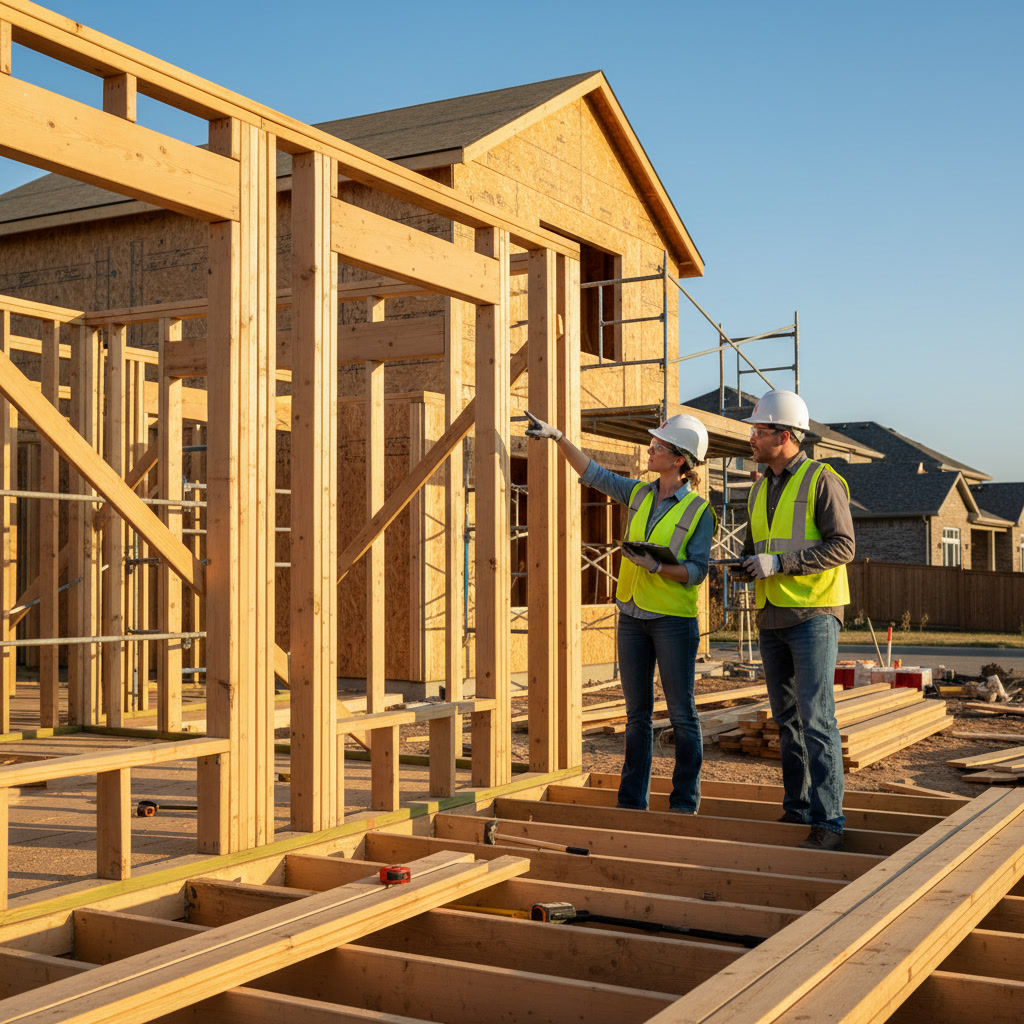
Single-room additions work well when you need one specific space without disrupting your entire floor plan. The construction process involves pouring a new foundation for the addition, framing the walls, adding a roof that ties into your existing roofline, and finishing the interior.
In Maricopa County, where homes often sit on larger lots, you usually have the yard space to build outward. The cost for a basic single-room addition typically ranges from $80 to $200 per square foot, depending on finishes and complexity.
Two-Story Additions
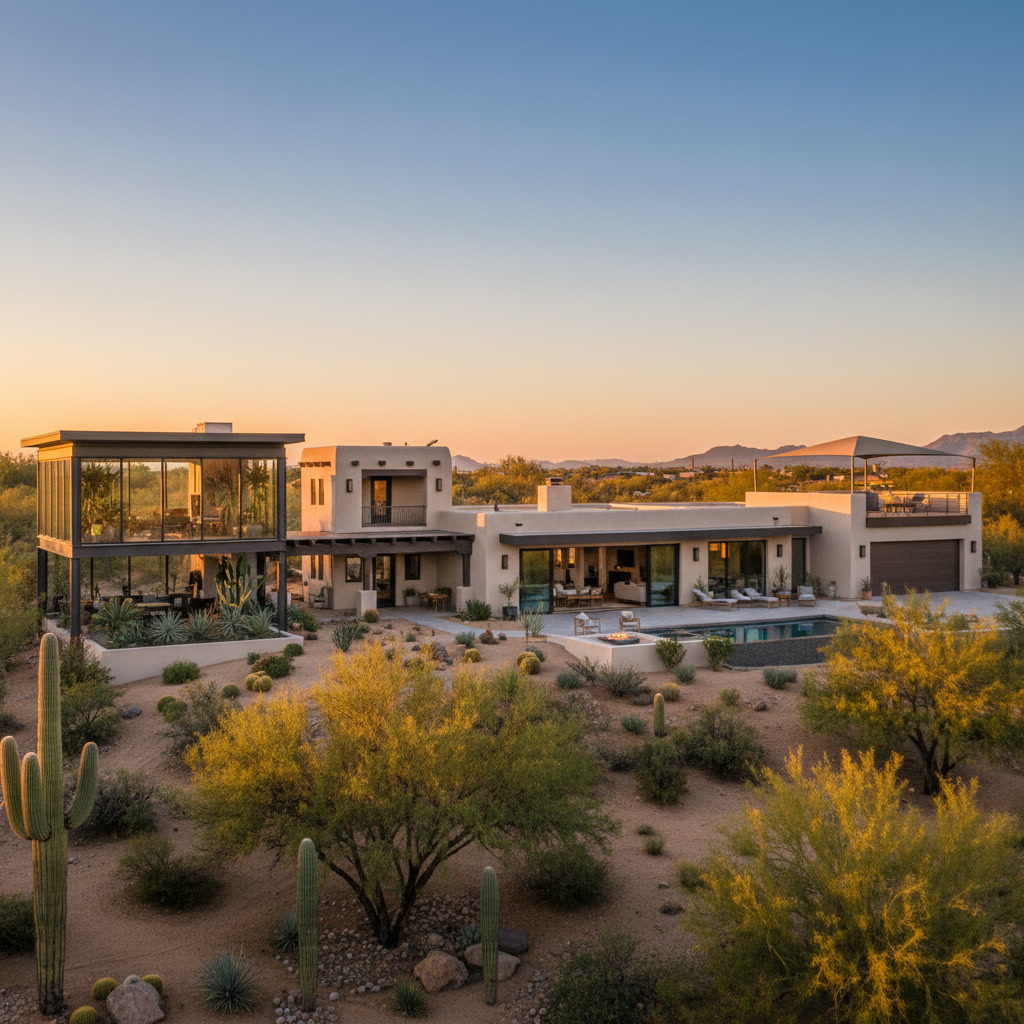
A second-story addition builds upward instead of outward, adding an entire new level to part or all of your home. This option maximizes your lot’s potential when yard space is limited.
Two-story additions require careful structural analysis. Your existing foundation and walls must support the additional weight, or you’ll need significant reinforcement. A structural engineer should evaluate your home before you commit to this type of project.
The main advantage of building up is preserving your yard and outdoor living space. Phoenix homeowners often value their patios and landscaping, making a second story an attractive option.
Second-story additions cost more per square foot than ground-level additions, typically ranging from $150 to $300 per square foot. The higher cost reflects the structural work, temporary support systems during construction, and the complexity of tying into your existing roof.
Partial vs. Full Second Stories
A partial second story adds a new level over just one section of your home, such as above the garage or a single wing. This approach costs less than a full second story and creates less disruption during construction.
A full second story doubles your home’s square footage. While expensive, it provides the most additional space and can dramatically increase your property value.
Bump-Out Additions
Bump-outs are small additions that extend a room by 2 to 15 feet. These micro-additions solve specific space problems without major construction.
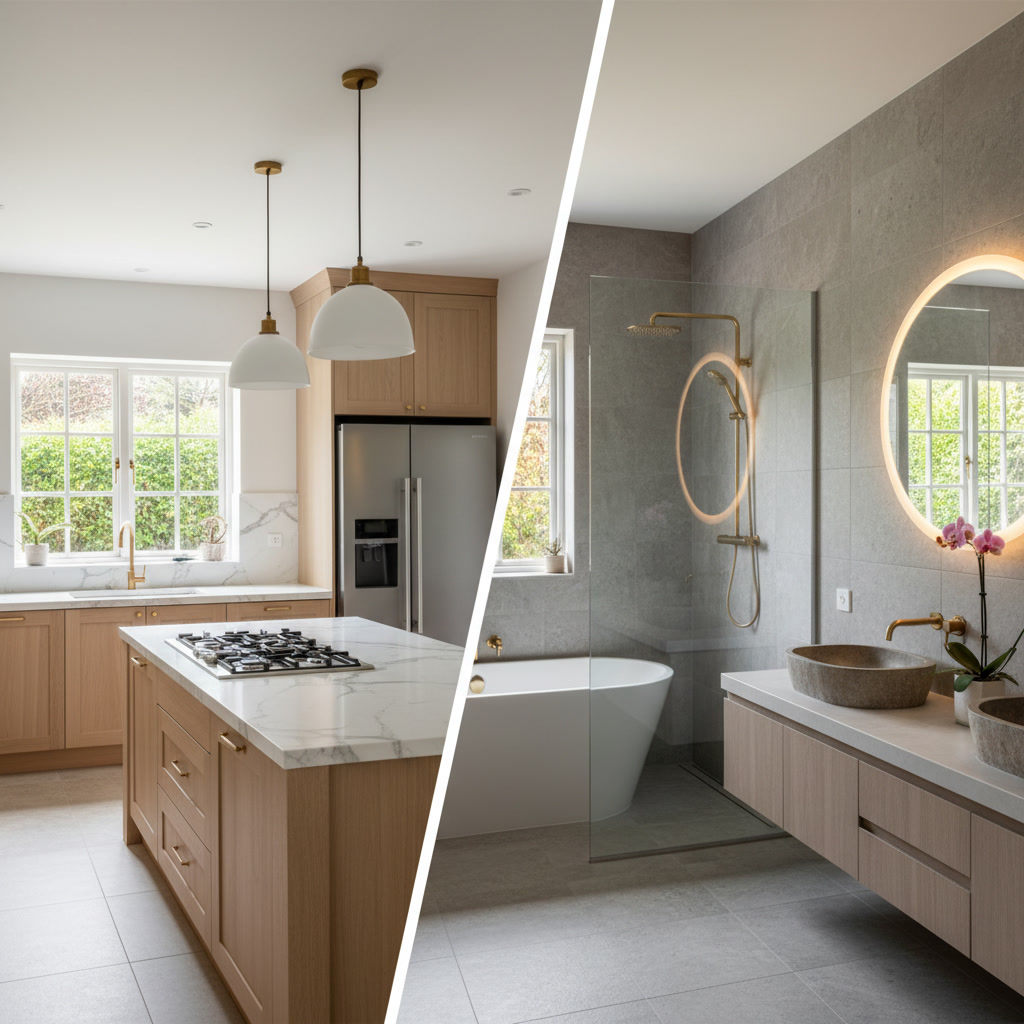
Common bump-out projects include expanding a cramped kitchen to add an island, extending a bathroom to fit a larger shower, or pushing out a bedroom wall to accommodate built-in closets.
Because bump-outs add minimal square footage, they often cost less than full room additions. Many bump-outs can be cantilevered from your existing floor joists if extending less than 4 feet, potentially eliminating the need for a new foundation.
The cost for bump-out additions typically ranges from $5,000 to $30,000, depending on size and whether foundation work is required. These projects usually take two to six weeks to complete.
Sunroom and Four-Season Room Additions
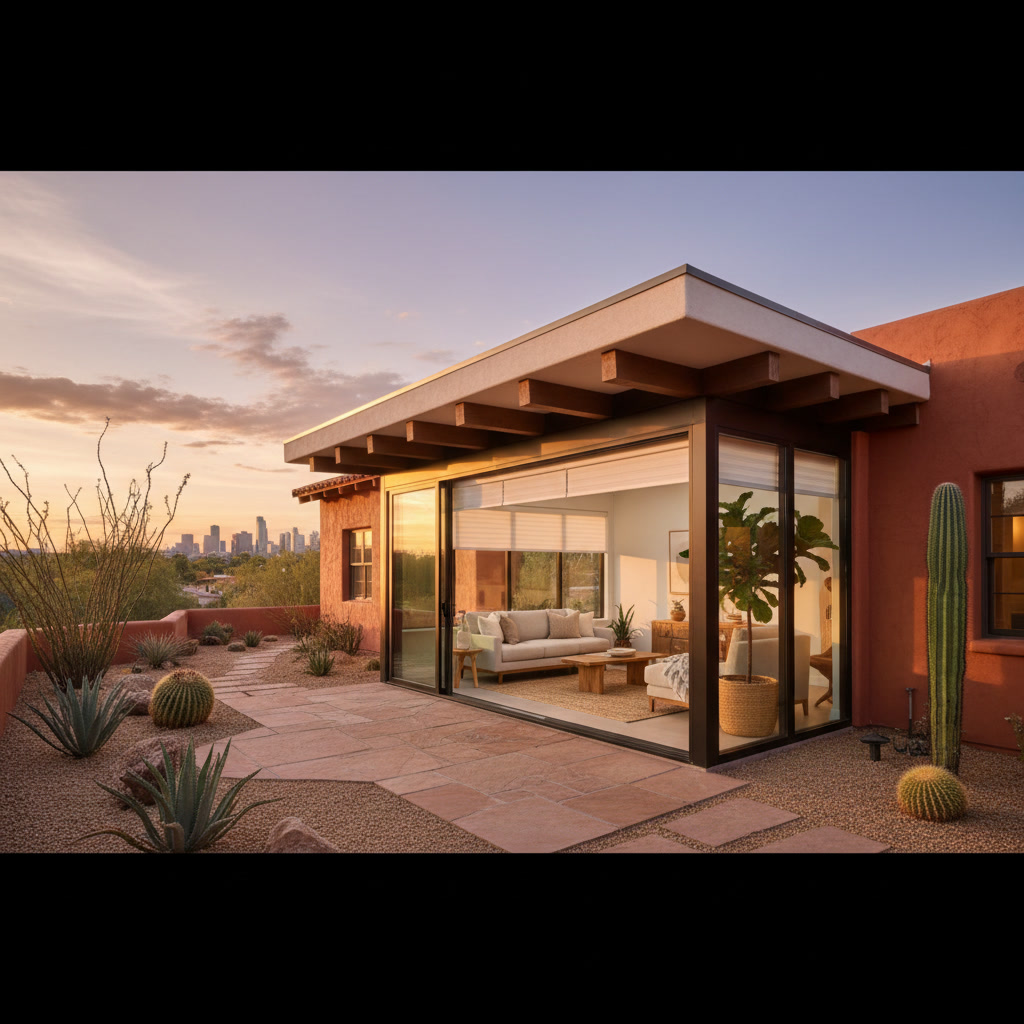
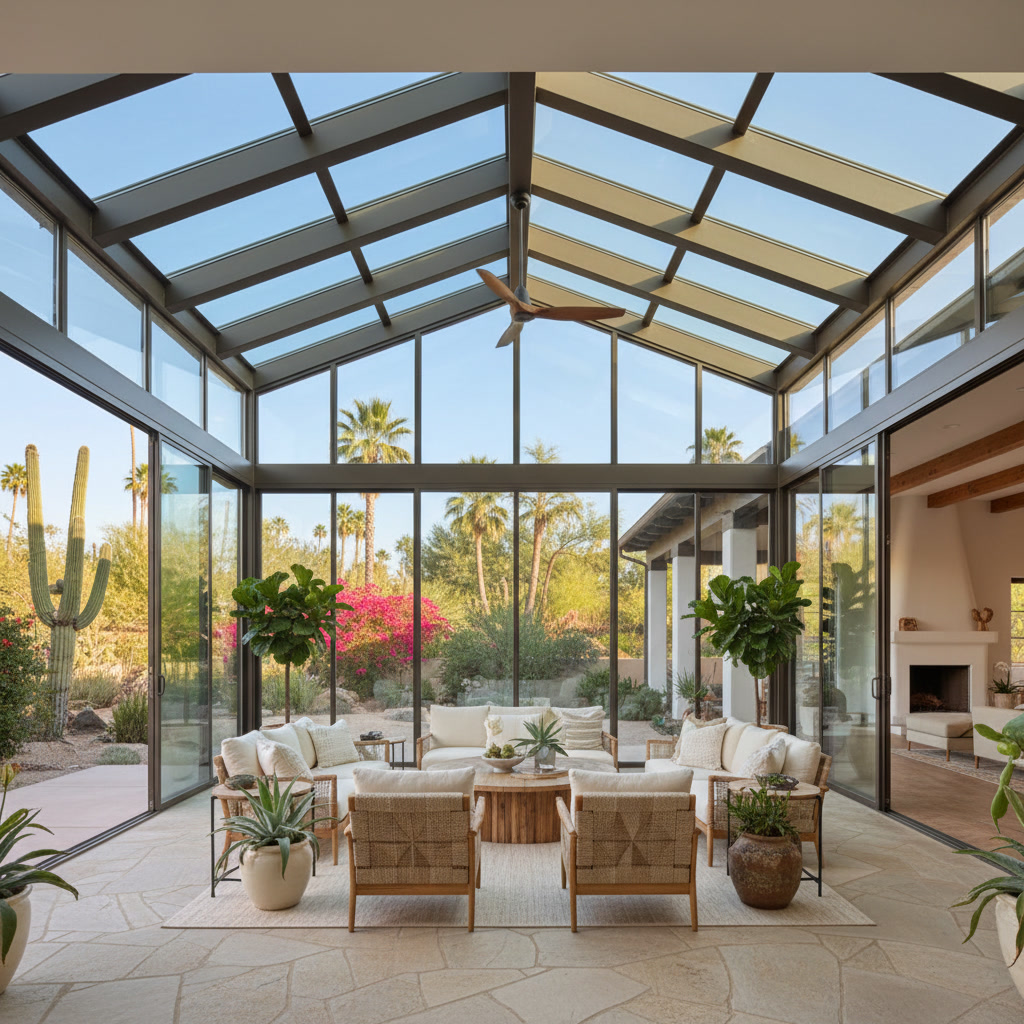
Sunrooms bring natural light into your home while creating a comfortable space that connects indoor and outdoor living. These additions feature extensive windows or glass walls.
A three-season sunroom provides enjoyment during spring, fall, and mild winter months but typically lacks the insulation and HVAC connections for Phoenix summers. A four-season room includes proper insulation, climate control, and can be used year-round.
In Arizona’s climate, a four-season room makes more practical sense. The investment in insulation, high-performance windows, and cooling pays off during the intense summer months.
Sunroom additions cost between $120 and $300 per square foot. Prefabricated sunroom kits start at the lower end of that range, while custom-built four-season rooms with premium materials reach the higher end.
In-Law Suite and Accessory Dwelling Unit Additions
In-law suites create a private living space within your home, complete with a bedroom, bathroom, and often a kitchenette. These additions provide independence for aging parents or adult children while keeping family close.
An accessory dwelling unit (ADU) is a separate, self-contained living space on your property. ADUs include a full kitchen, bathroom, living area, and bedroom. They function as complete apartments.
The difference matters for zoning and permitting. In-law suites attach to your main house and share utilities. ADUs are detached structures with separate utility meters and entrances.
Phoenix and surrounding Maricopa County cities have specific regulations governing ADUs, including size limits, setback requirements, and parking provisions. Check local ordinances before planning an ADU project.
In-law suite additions typically cost $50,000 to $150,000. Detached ADUs range from $100,000 to $250,000, depending on size and finishes.
When to Choose an In-Law Suite vs. ADU
Choose an in-law suite if you want your family member to feel part of the household with easy access to shared spaces. The attached design costs less than building a separate structure.
An ADU works better when you need true separation, plan to rent the space eventually, or want to maximize your property’s income potential. ADUs typically add more resale value than in-law suites.
Garage Conversions and Above-Garage Additions
Converting your existing garage into living space is technically a renovation rather than an addition, but it solves the same space problems. This option works if you don’t use your garage for vehicles or have a two-car garage and only need one bay.
Garage conversions require adding insulation, HVAC, proper flooring, and windows. You’ll also need to address the garage door opening, either by framing in a new wall or installing large windows.
Above-garage additions build a second story over your existing garage. Since garages already have foundations designed to support weight, this can be more cost-effective than other second-story options.
Garage conversions cost $10,000 to $30,000 for basic projects. Above-garage additions range from $50,000 to $150,000 depending on size and complexity.
How to Choose the Right Type of Home Addition
Selecting among the various types of home additions depends on multiple factors specific to your property and situation. Start by defining your goals clearly.
Ask yourself what problem you’re solving. Do you need one more bedroom, a separate living space for relatives, a larger kitchen, or a home office? The purpose determines which addition type makes sense.
Evaluate Your Lot and Property
Walk your property and assess the available space. Measure your setbacks from property lines, note where utility lines run, and identify any drainage issues or slopes.
Phoenix-area lots vary significantly. Older neighborhoods near downtown often have smaller lots where building up makes more sense than building out. Newer subdivisions in areas like Gilbert or Queen Creek typically offer more yard space for ground-level additions.
Your homeowners association may restrict certain types of home additions. Review your CC&Rs before making plans.
Consider Your Budget
Different types of home additions carry vastly different price tags. A bump-out might cost $15,000 while a full second story could run $300,000 or more.
Get detailed estimates for the specific addition types you’re considering. A reputable contractor can provide accurate pricing based on your home’s condition and your finish preferences.
Pro Tip: Plan for 10 to 20 percent over your estimated budget. Unexpected issues like outdated wiring, plumbing problems, or structural repairs often surface during addition projects.
Think About Resale Value
Some additions recoup more of their cost at resale than others. Bathroom and bedroom additions typically return 50 to 70 percent of their cost. Master suite additions often return 60 to 75 percent.
Highly specialized additions like home theaters or elaborate hobby rooms appeal to fewer buyers and may return less of your investment. Balance your personal needs with broader market appeal.
In Phoenix’s competitive real estate market, additional square footage generally increases home value. The specific return depends on your neighborhood’s price ceiling and comparable properties.
Match the Existing Architecture
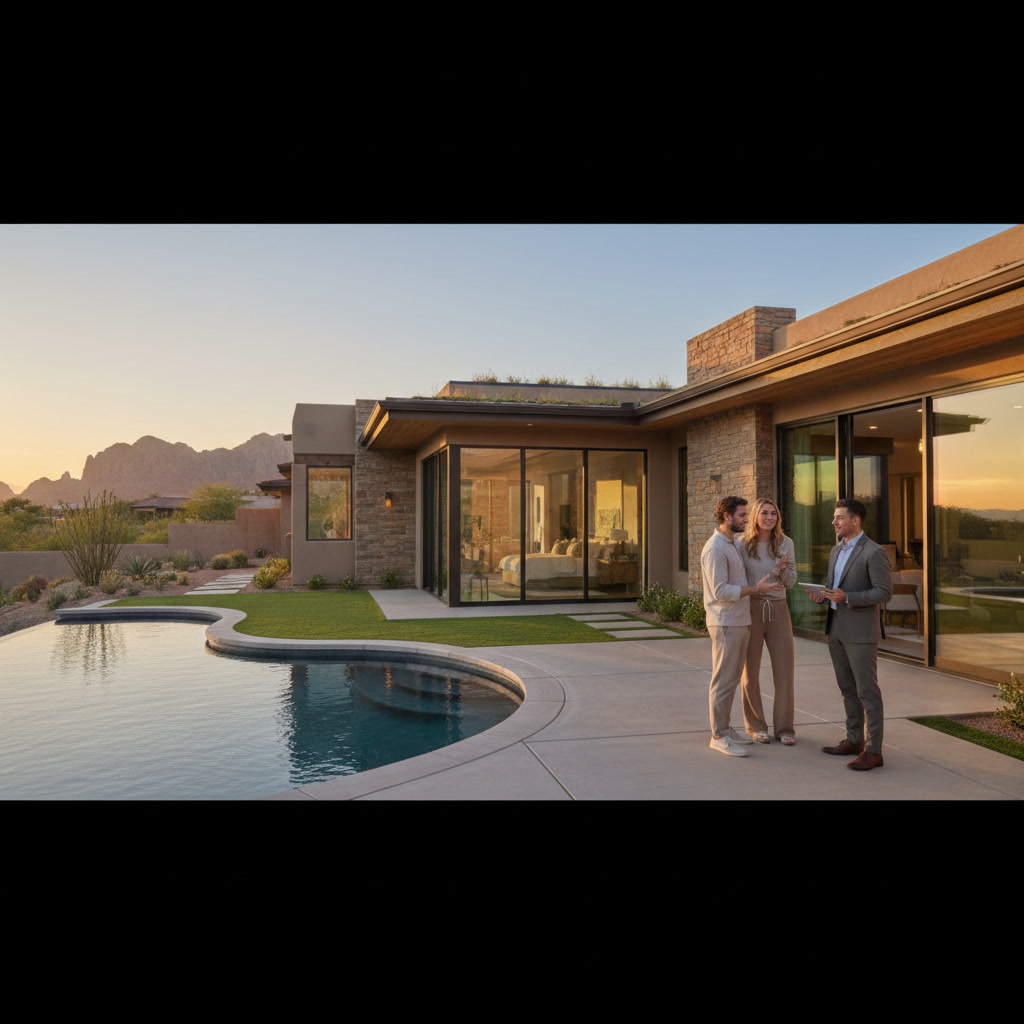
Your addition should look like it was always part of your home. Matching the roofline, siding materials, window styles, and architectural details ensures a cohesive appearance.
Poor design choices create obvious add-ons that hurt curb appeal and resale value. Work with professionals who understand how to integrate new construction with existing structures.
This is particularly important for homes in historic Phoenix neighborhoods or areas with strong architectural character. A jarring addition stands out negatively.
Factor in Construction Disruption
Living through construction affects your daily life. Ground-level additions typically allow you to stay in your home with minimal disruption.
Second-story additions create more upheaval. Construction noise happens directly above your living spaces, and contractors need access through your home to reach the work area.
Garage conversions and above-garage additions fall somewhere in between. Consider your family’s tolerance for construction activity when choosing among types of home additions.
Permitting and Zoning Considerations
All home additions in Phoenix and Maricopa County require building permits. The permitting process ensures your addition meets structural, electrical, plumbing, and safety codes.
Your contractor should handle permit applications and inspections. Verify this is included in your contract and that all permits will be pulled in the contractor’s name, not yours.
Zoning regulations control what you can build. Setback requirements dictate how close to property lines you can build. Height restrictions limit second-story additions in some areas. Lot coverage rules cap how much of your lot can be covered by structures.
Each city in Maricopa County maintains its own zoning code. Phoenix differs from Scottsdale, Mesa, Chandler, and other municipalities. Check specific requirements for your location.
Working with the Right Builder
Choosing an experienced contractor makes the difference between a successful addition and a problematic project. Look for builders with specific experience in the type of addition you’re planning.
Review portfolios showing completed projects similar to yours. Ask for references and actually contact previous clients. Check license status and insurance coverage.
A quality builder helps you refine your plans, suggests cost-saving alternatives, and identifies potential problems before construction begins. They should provide detailed written estimates and realistic timelines.
Phoenix Primera Builders LLC brings over 20 years of experience to home addition projects throughout Maricopa County. Our team has completed every type of addition discussed in this guide, from simple bump-outs to complex second-story projects.
Frequently Asked Questions
What is the cheapest type of home addition?
Bump-out additions and garage conversions typically cost less than other options. A small bump-out extending an existing room by a few feet might cost $5,000 to $15,000. Converting an existing garage into living space starts around $10,000. These options avoid extensive foundation work and major structural changes, keeping costs lower.
How long does it take to build a home addition?
Timeline depends on the addition type and size. Small bump-outs take two to six weeks. Single-room additions typically require two to four months. Second-story additions and large in-law suites often take four to eight months. Weather delays, permit processing times, and material availability can extend these timeframes.
Do I need an architect for a home addition?
Simple additions like bump-outs or sunrooms often don’t require an architect. Your contractor can work from basic plans. Complex projects like second-story additions, large in-law suites, or additions that significantly alter your home’s structure benefit from architectural services. An architect ensures proper design integration and helps navigate zoning requirements.
Will a home addition increase my property taxes?
Yes, adding square footage increases your home’s assessed value, which raises property taxes. The exact increase depends on the addition’s size and quality. In Arizona, the county assessor will revalue your property after permitted construction is completed. Budget for this ongoing cost when planning your addition.
Can I build a home addition myself to save money?
While legally possible for homeowners to build their own additions in most Arizona jurisdictions, this approach rarely saves money for complex projects. You’ll still need permits and inspections. Mistakes cost more to fix than hiring professionals initially. Most lenders won’t finance owner-built additions. Consider DIY only for very simple projects if you have genuine construction experience.
Moving Forward with Your Home Addition Project
The right home addition expands your living space, solves specific problems, and adds value to your property. Understanding the different types of home additions and evaluating them against your needs, budget, and property characteristics leads to better decisions.
Start by clearly defining what you need, assess your property’s potential, and consult with experienced professionals who can turn your vision into reality. The investment in proper planning pays dividends in both construction quality and long-term satisfaction.
Phoenix Primera Builders LLC has helped hundreds of homeowners in Phoenix and throughout Maricopa County choose and build the perfect home addition. Our team guides you through every decision, from selecting the right addition type to choosing materials and finishes that match your budget and style. Contact us at +14806211744 to discuss your home addition project and receive a detailed consultation on which option works best for your specific situation.