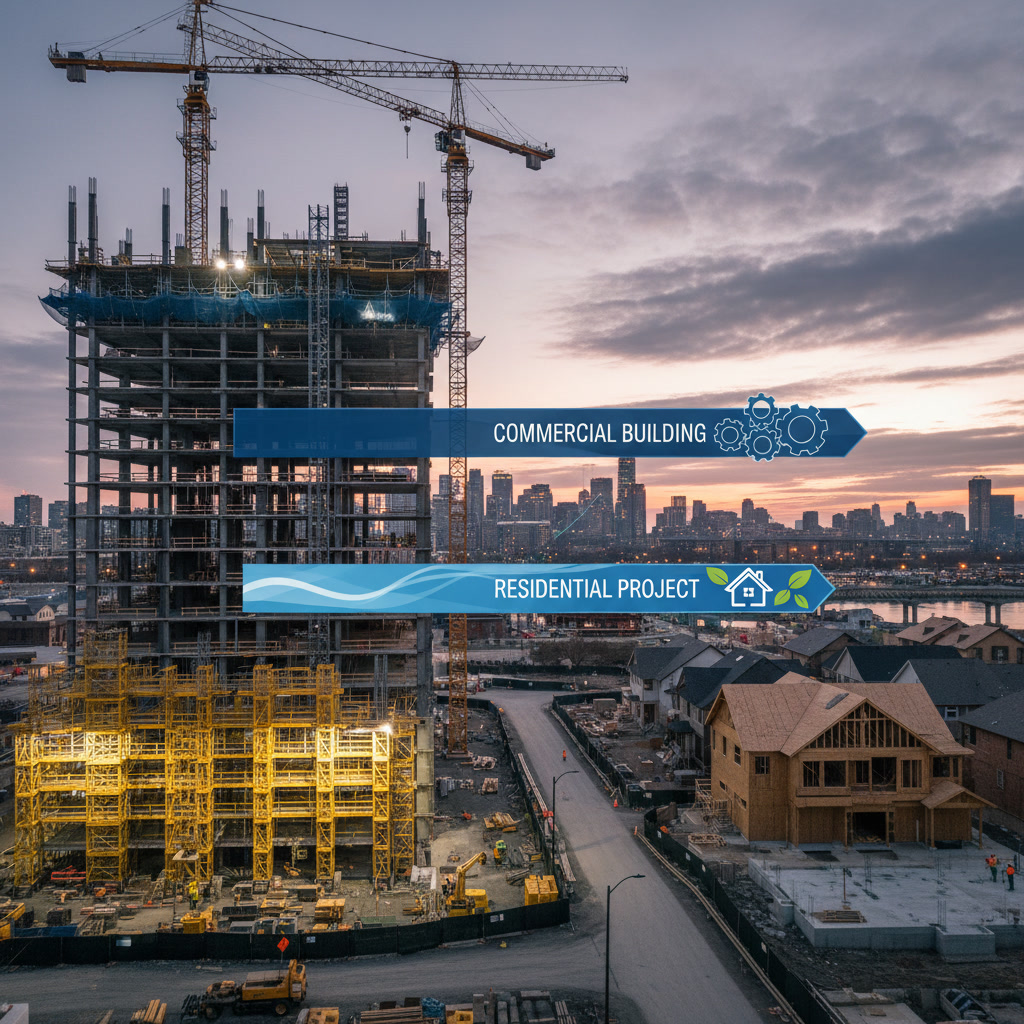
When your commercial building undergoes renovation, the HVAC system often reveals critical weaknesses that were previously masked by outdated layouts or deferred maintenance. Recognizing commercial HVAC replacement signs early in the renovation process saves money, prevents construction delays, and ensures your newly updated space operates at peak efficiency. An HVAC system nearing the end of its lifespan will struggle to serve a reconfigured floor plan, especially if you are adding square footage or changing room functions.
Why Renovation Creates the Perfect Assessment Window
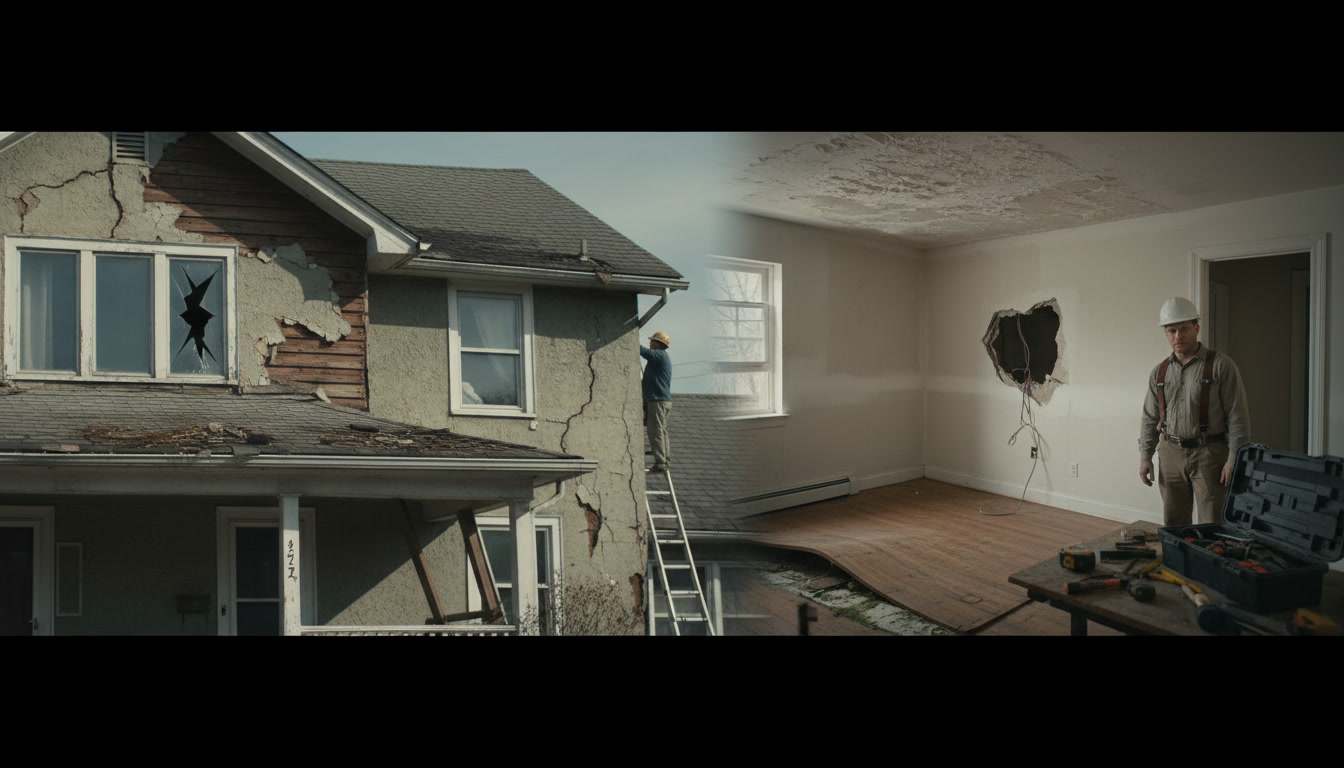
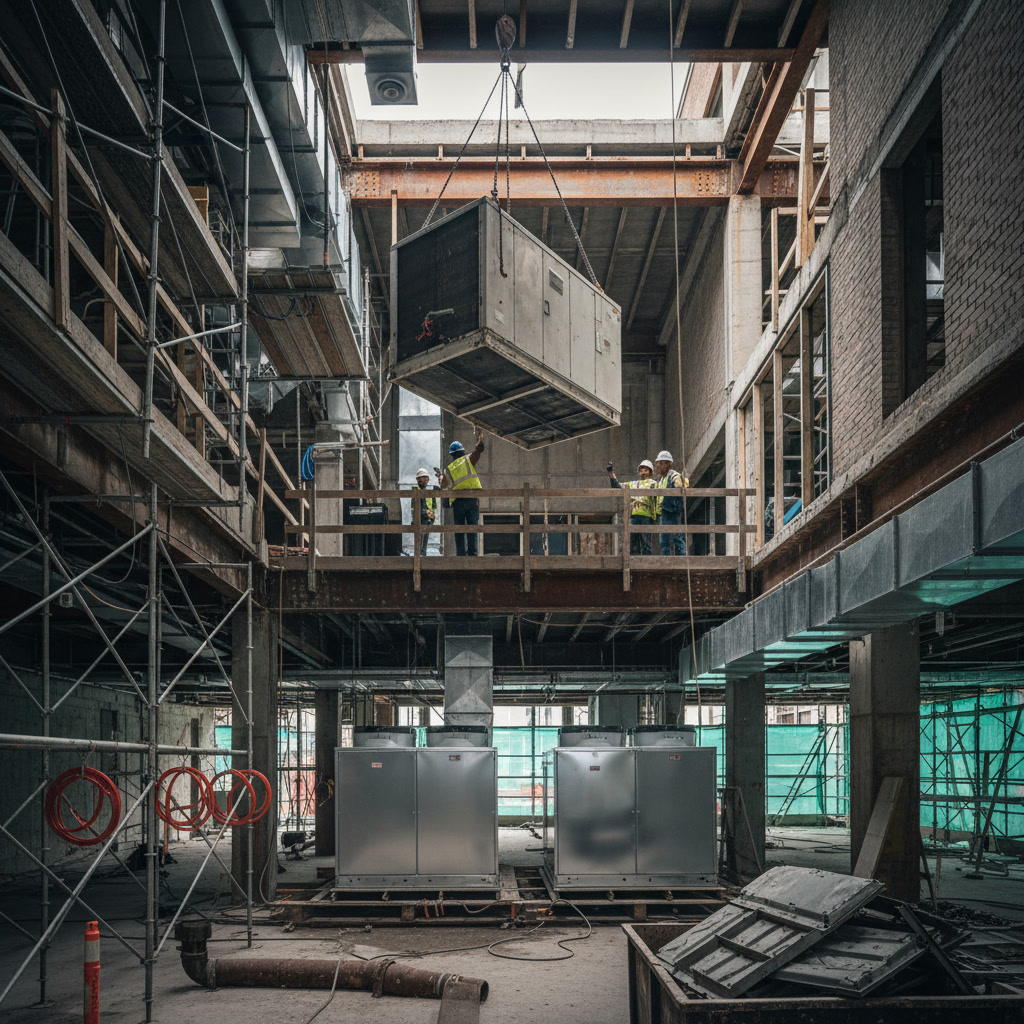
Renovation work exposes components typically hidden behind walls, above ceilings, and beneath floors. This rare access makes it the ideal time to evaluate your HVAC infrastructure. Contractors can inspect ductwork for leaks, check refrigerant lines for corrosion, and assess the condition of air handlers without additional demolition costs. Once walls close up again, these systems become expensive to reach.
Building owners who skip this evaluation often face emergency repairs within months of completing their renovation. The disruption to tenants, customers, or operations becomes far more costly than addressing the issue during planned construction. This window of opportunity does not come around often, so thorough assessment pays dividends for years ahead.
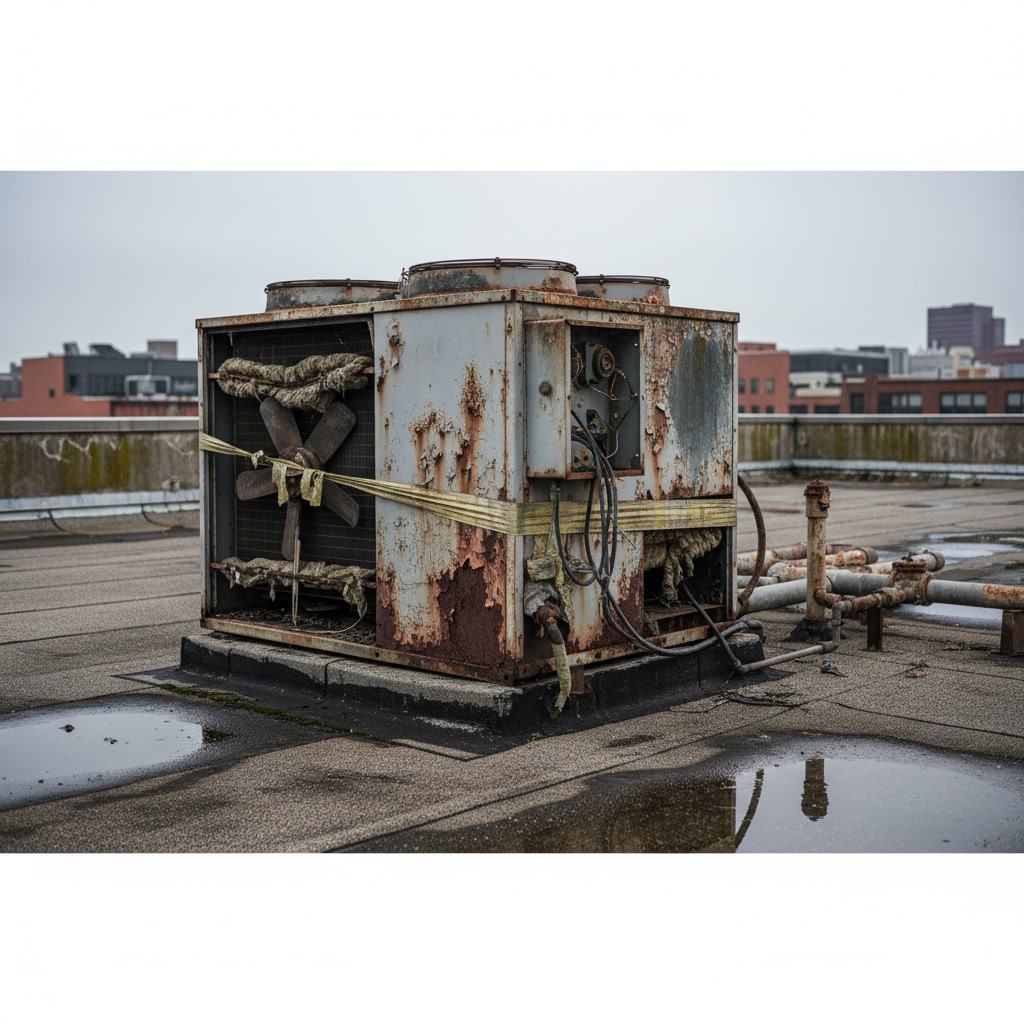
Your System Has Exceeded Its Expected Service Life
Most commercial HVAC systems deliver reliable performance for 15 to 20 years with proper maintenance. After that threshold, efficiency drops, parts become scarce, and breakdowns increase in frequency. If your system was installed before 2005, replacement during renovation makes financial and practical sense.
Older units also use refrigerants that are being phased out under environmental regulations. R-22 refrigerant, for example, is no longer produced in the United States. Recharging an aging system with discontinued refrigerant costs significantly more than installing a modern unit using compliant refrigerants. When commercial construction teams open up your building, swapping outdated equipment becomes straightforward.
Energy Bills Continue Climbing Despite Regular Maintenance
Escalating utility costs signal declining HVAC efficiency. Even well-maintained systems lose capacity over time as compressors wear, heat exchangers corrode, and seals degrade. If your energy bills have increased by 20 percent or more over the past three years without corresponding changes in occupancy or usage patterns, your HVAC system is likely the culprit.
Modern commercial HVAC units deliver SEER ratings of 16 or higher, compared to 10 or 12 in older models. This efficiency gain translates to substantial savings, especially in Arizona’s intense summer climate. A renovation project that includes HVAC replacement can reduce operating costs by 30 to 40 percent annually, offsetting the initial investment within five to seven years.
Temperature Inconsistencies Across Different Zones
When some rooms feel like saunas while others remain uncomfortably cool, your HVAC system struggles to distribute conditioned air evenly. This problem often stems from undersized equipment, failing dampers, or ductwork designed for a different floor plan. Renovation presents the chance to right-size your system for current and future needs.
Adding square footage through expansion makes this issue more pronounced. An HVAC system calibrated for 8,000 square feet cannot adequately serve 12,000 square feet, no matter how many adjustments technicians make. Projects involving building additions require careful load calculations to determine whether existing equipment can handle the increased demand or whether replacement becomes necessary.
Frequent Repairs and Parts Availability Issues in Mesa
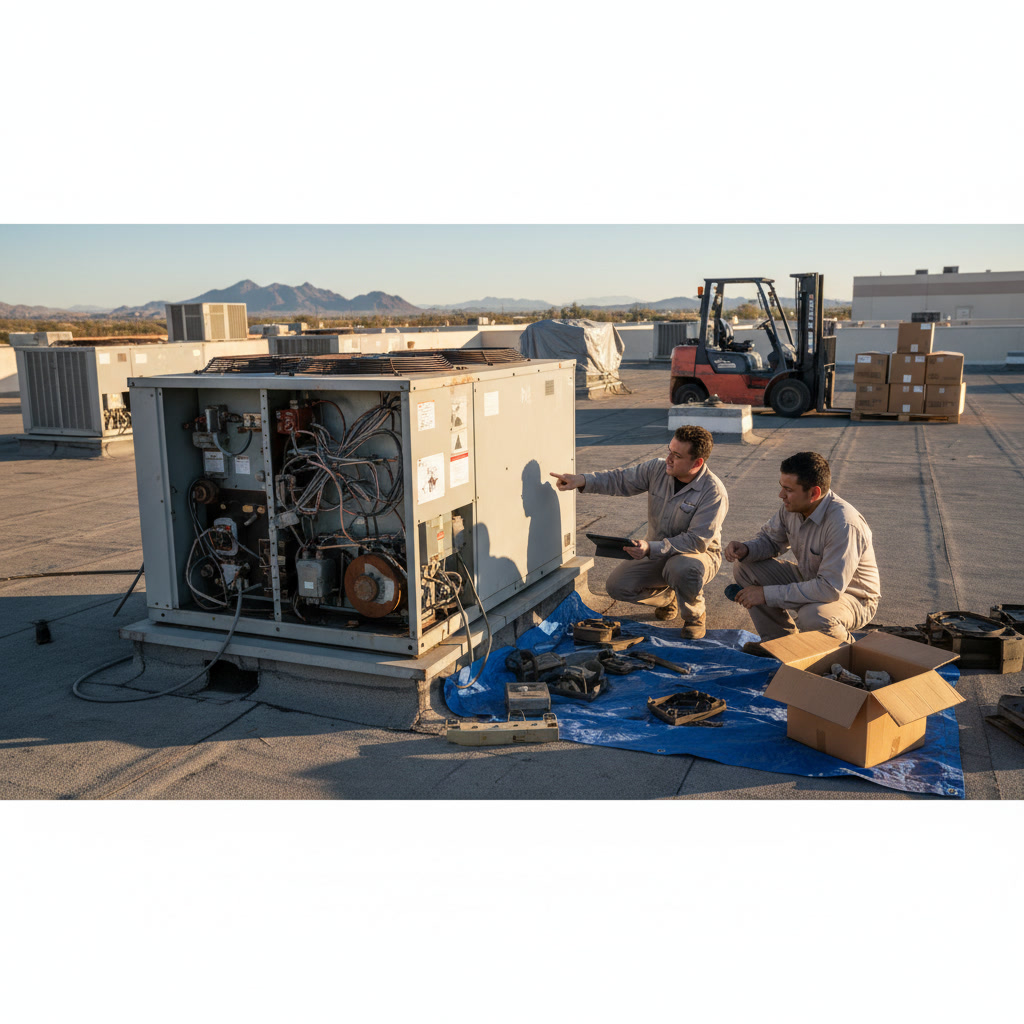
If your maintenance team visits monthly to patch together your aging HVAC system, replacement costs less than continued band-aid fixes. Frequent breakdowns disrupt business operations, frustrate occupants, and drain budgets through emergency service calls. Parts for discontinued models also become harder to source, extending downtime when failures occur.
Technicians familiar with legacy systems retire or move on, leaving fewer qualified professionals who understand older equipment. This scarcity drives up labor costs and lengthens repair timelines. Modern systems benefit from widespread technician training, readily available parts, and manufacturer support networks that keep buildings running smoothly.
Poor Indoor Air Quality and Ventilation Complaints
Occupants who experience persistent headaches, respiratory irritation, or stale air point to ventilation deficiencies. Older HVAC systems often fail to meet current ventilation standards, especially if your building use has changed from its original design. A structure built as warehouse space but converted to office use needs dramatically different air exchange rates.
Modern commercial HVAC equipment includes advanced filtration, humidity control, and fresh air intake features that older units lack. These improvements matter significantly for tenant satisfaction, employee productivity, and compliance with indoor air quality standards. Renovation work that upgrades mechanical systems alongside aesthetic improvements delivers healthier, more comfortable spaces.
Noisy Operation Disrupts Building Occupants
Rattling ducts, squealing belts, and grinding compressors indicate mechanical wear that will only worsen. While some noise comes from loose components that can be tightened, persistent sounds usually mean bearings, motors, or fans approach failure. Renovation provides the staging area and access needed to install quieter, more efficient equipment without disrupting daily operations.
Sound transmission through ductwork also improves with modern system design. Properly sized ducts with insulated sections and vibration dampeners keep mechanical noise confined to equipment rooms. Occupants notice the difference immediately, especially in professional office settings, medical facilities, or retail environments where ambiance matters.
System Capacity Mismatches Your Renovation Plans
Changing a building’s function from retail to restaurant, office to medical clinic, or warehouse to conditioned workspace alters HVAC requirements substantially. Kitchens generate heat and require powerful exhaust. Medical facilities need precise humidity control and filtration. Server rooms demand reliable cooling year-round. If your renovation changes how spaces are used, your existing HVAC system probably cannot meet the new demands.
Load calculations performed by experienced contractors reveal whether current equipment can adapt or whether replacement becomes necessary. These assessments factor in occupancy levels, equipment heat generation, insulation values, window exposure, and dozens of other variables. The detailed analysis from a commercial construction specialist prevents costly mistakes that compromise comfort and efficiency.
Comparing Retrofit Versus Full Replacement Options
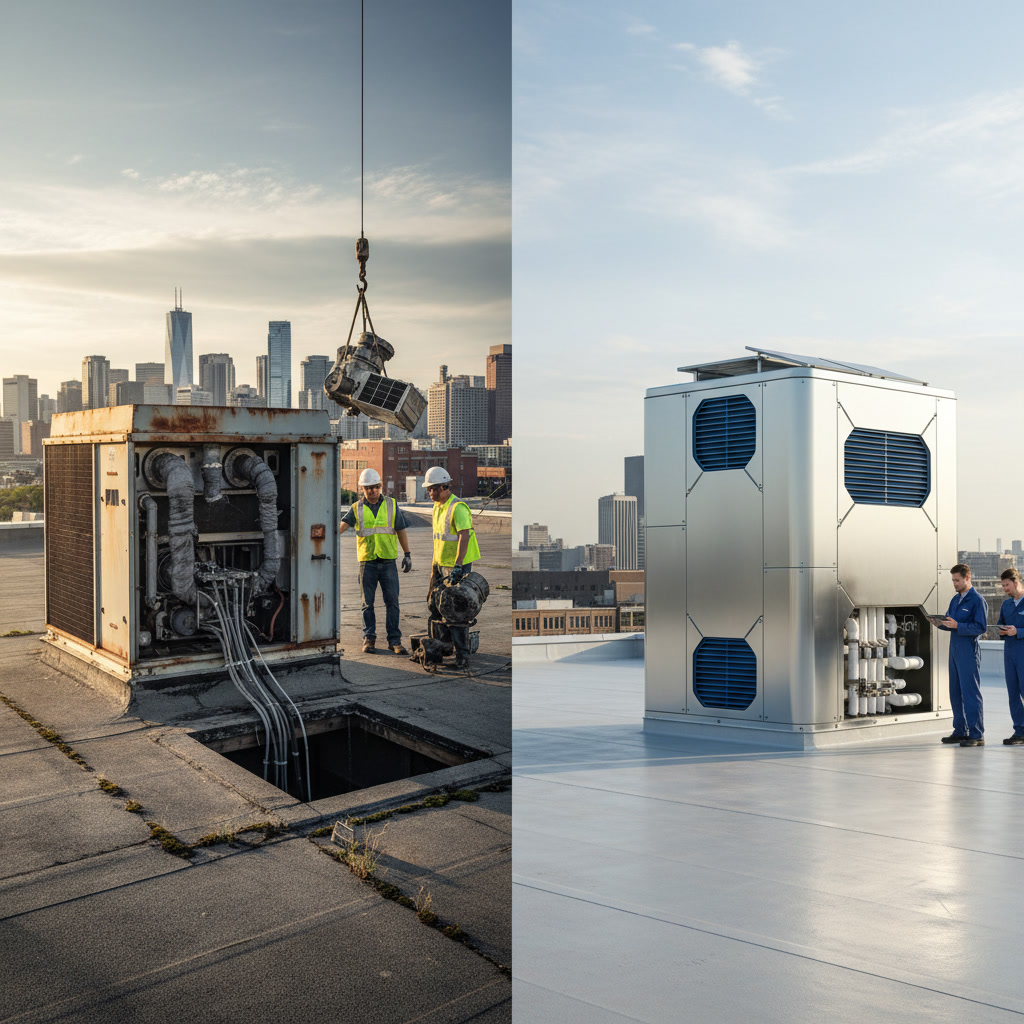
Building owners sometimes consider retrofitting existing equipment with new controls, motors, or compressors rather than complete replacement. This approach can extend service life by three to five years when the core components remain sound. However, retrofits rarely deliver the efficiency gains or reliability of new systems.
Full replacement offers several advantages during renovation. First, new equipment includes manufacturer warranties covering parts and labor for five to 10 years. Second, modern units integrate with building automation systems for remote monitoring and optimization. Third, you eliminate the risk of hidden problems within older equipment that might fail shortly after renovation completes. Fourth, financing incentives and utility rebates often favor new high-efficiency installations over partial upgrades.
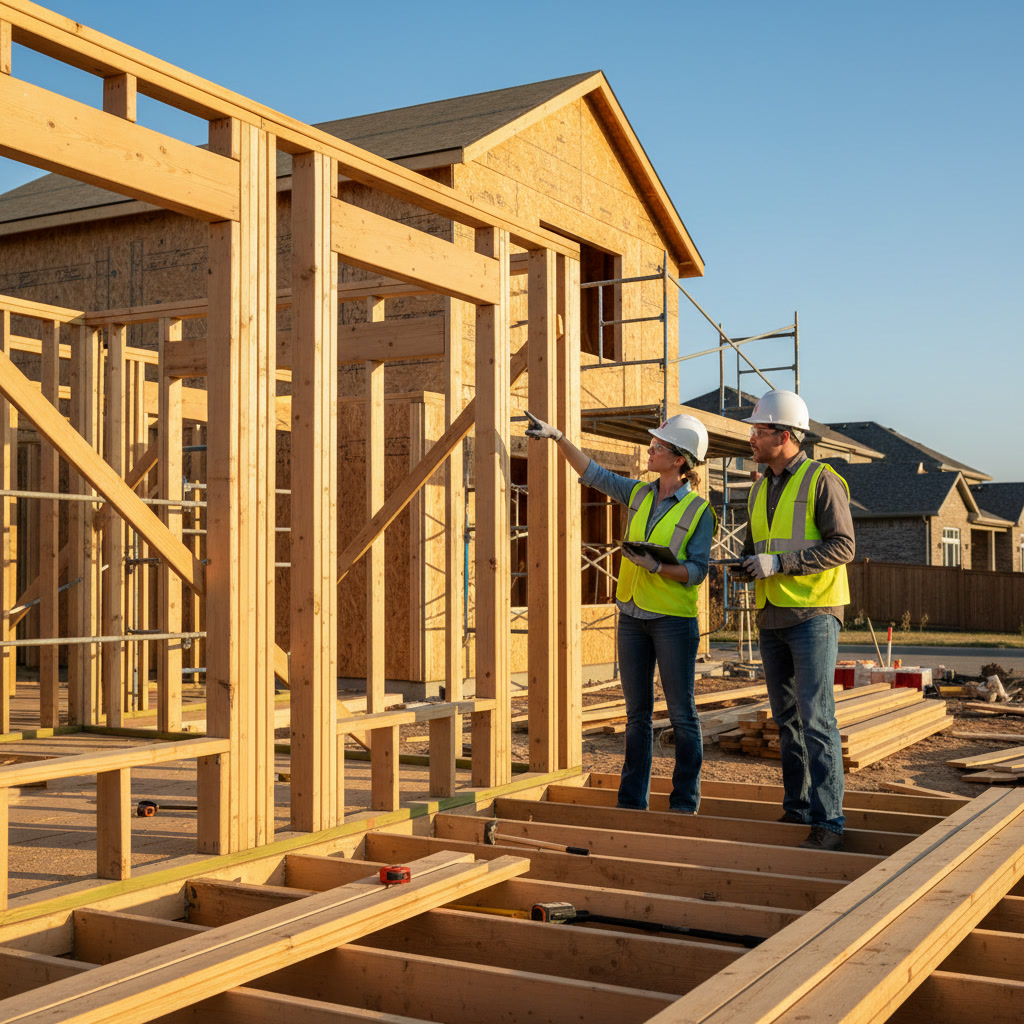
The decision hinges on system age, condition, and how extensively the renovation changes building layout. An eight-year-old system in good condition serving an unchanged footprint might warrant targeted upgrades. A 17-year-old system supporting a building that is adding 3,000 square feet and converting spaces calls for replacement. Projects similar to those detailed in commercial construction timelines benefit from early equipment decisions that prevent delays.
Refrigerant Leaks and Environmental Compliance
Technicians who regularly add refrigerant to your system confirm it leaks somewhere within the sealed refrigeration circuit. These leaks occur in coils, line sets, or connections that corrode over time. Beyond the environmental impact, refrigerant leaks indicate component degradation that will continue worsening.
Regulations governing refrigerant handling and disposal have tightened considerably. Systems using banned refrigerants face phaseout deadlines that make replacement inevitable. Addressing this during planned renovation avoids emergency replacements under regulatory pressure. New systems using approved refrigerants also qualify for tax incentives and utility rebates that offset upfront costs.
Making Your Investment Work Harder
Commercial building renovations represent significant capital investments that should deliver returns for decades. An HVAC system nearing failure undermines that investment by driving up operating costs, reducing occupant satisfaction, and requiring unplanned capital outlays within a few years. Addressing replacement during the renovation phase maximizes value and minimizes disruption.
Phoenix Primera Builders LLC brings over 20 years of construction experience to projects throughout the Phoenix metropolitan area. Our team coordinates HVAC assessments, equipment selection, and installation as integrated components of comprehensive renovation planning. Whether your project involves minor updates or complete building transformations, addressing mechanical systems strategically protects your investment.
Commercial property owners throughout Arizona can rely on our expertise to identify issues before they become emergencies. Renovation projects offer the ideal opportunity to upgrade aging infrastructure while construction teams have full building access. Taking advantage of this window ensures your updated space performs efficiently for years to come. Reach out to our team at +14806211744 to discuss your commercial renovation and HVAC evaluation needs.