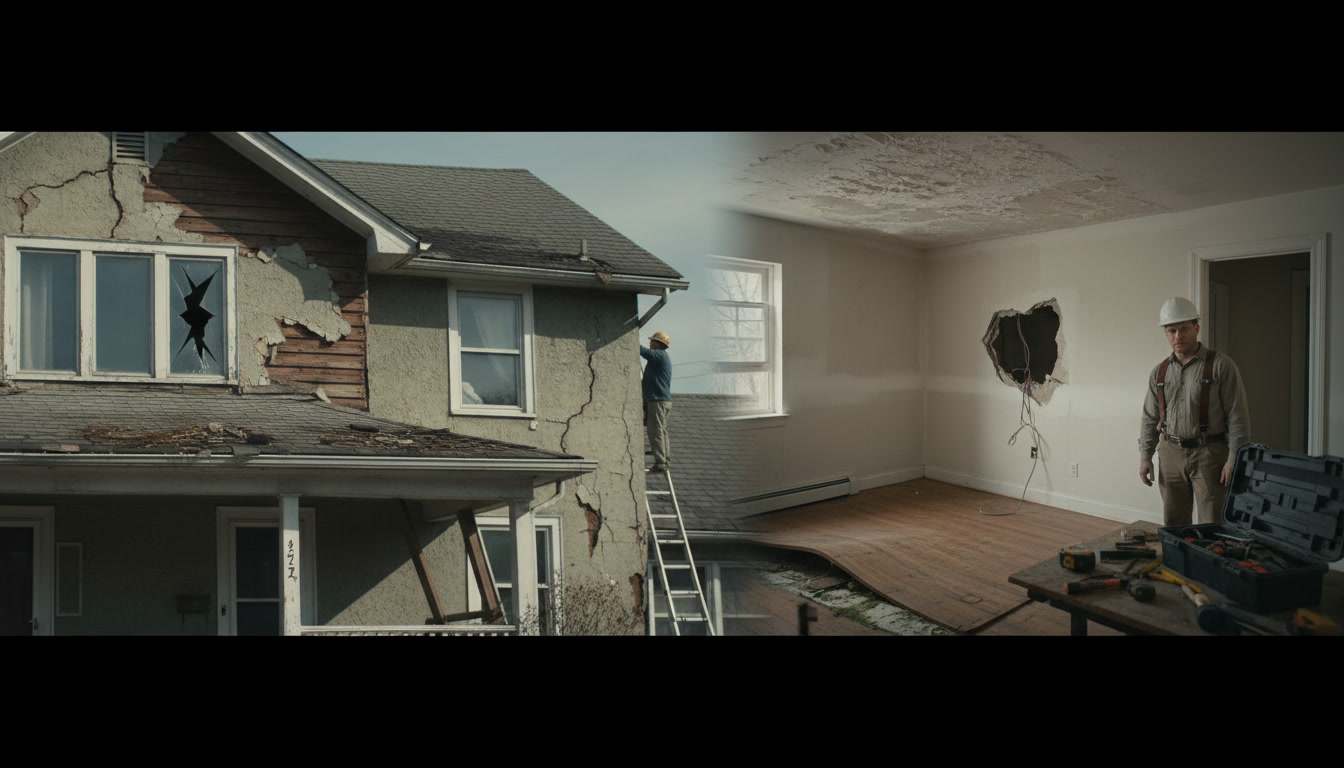
Not every crack, stain, or squeaky floor requires a professional contractor. Understanding the difference between cosmetic issues and structural problems can save you thousands while protecting your home’s safety and value. Recognizing the signs home needs repair rather than just a quick fix helps you prioritize your budget and prevent minor problems from escalating into expensive disasters. This guide walks you through specific warning signals that demand expert attention and which issues you can safely handle with basic maintenance.
Homeowners often struggle to determine when a problem crosses the line from annoying to dangerous. Some defects appear minor but indicate serious underlying damage, while others look alarming yet require nothing more than paint or caulk. Making the wrong call can compromise your family’s safety or waste money on unnecessary services.
Understanding the Difference Between Surface Issues and Structural Damage
Surface problems affect only the visible layer of your home. A scuff on drywall, faded paint, or a loose cabinet handle falls into this category. These issues impact appearance but not function or safety. You can typically address them with basic tools and a weekend afternoon.
Structural damage affects the bones of your building. Foundations, load-bearing walls, roof framing, and floor joists all qualify as structural elements. When these components fail or weaken, the entire home is at risk. Repairing structural damage requires engineering knowledge, specialized equipment, and building permits. The distinction matters because cosmetic fixes mask problems while structural repairs solve them.
Why Arizona Homes in Mesa Face Unique Repair Challenges
Desert climate creates specific stresses that other regions rarely face. Extreme temperature swings cause materials to expand and contract daily, accelerating wear on everything from roofing to foundation slabs. Monsoon rains dump inches of water in minutes, testing drainage systems and revealing weaknesses in waterproofing.
Soil conditions in the Valley add another layer of complexity. Expansive clay soils shrink during drought and swell when wet, creating movement that cracks foundations and shifts walls. These environmental factors mean Arizona homeowners must stay more vigilant about the difference between normal settling and genuine home repairs that require professional intervention.
Foundation Cracks That Demand Immediate Professional Assessment
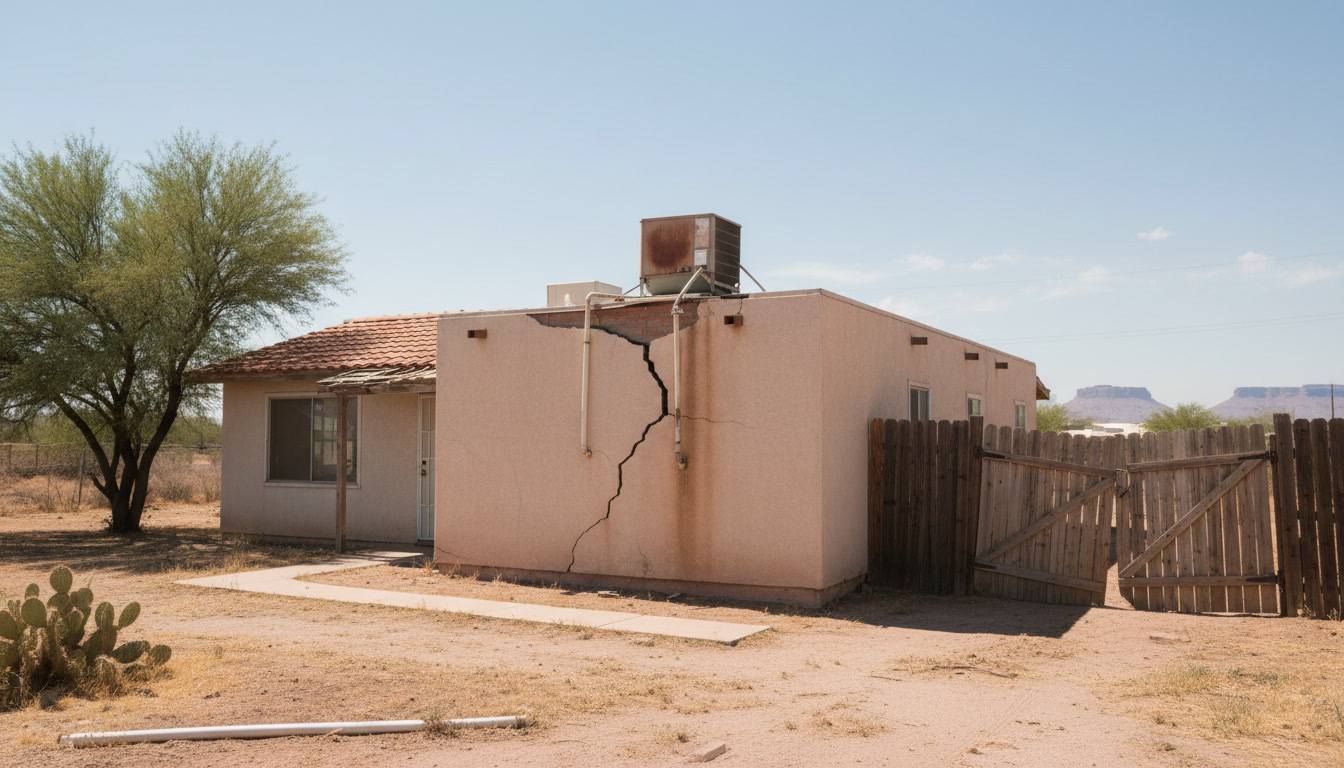
Hairline cracks thinner than a credit card edge and running vertically near corners are often cosmetic, caused by normal concrete curing or minor settling. These typically don’t grow and pose no structural threat. You can monitor them with a marker and date notation.
Horizontal cracks, stair-step patterns in brick or block, cracks wider than a quarter inch, or any crack that continues to widen signals foundation movement that needs expert evaluation. When you notice doors sticking, floors sloping, or gaps appearing between walls and ceilings alongside foundation cracks, the issue has progressed beyond cosmetic territory. Foundation problems rarely improve on their own and usually worsen with each seasonal cycle, making early professional assessment critical before repair costs multiply.
Roof Warning Signs That Separate Quick Fixes From Full Repairs
A few missing shingles after a windstorm or minor flashing separation around a chimney can often be patched by a handyman. Light staining on ceilings near plumbing vents might indicate nothing more than old condensation that stopped years ago.
Sagging roof lines, daylight visible through the roof deck, widespread shingle curling or loss, multiple leak locations, or water stains that grow after each rain require professional evaluation. These symptoms suggest deteriorated decking, compromised structural support, or failing underlayment. Arizona’s intense UV exposure degrades roofing materials faster than in most states, and what looks like surface wear may hide advanced breakdown underneath. When you spot these warning signs, delaying professional inspection risks water damage spreading to insulation, framing, and interior finishes.
Electrical Red Flags You Should Never Ignore
Replacing a light fixture, installing a new outlet cover, or resetting a tripped breaker falls within DIY territory for most homeowners. These tasks don’t alter the electrical system’s capacity or safety.
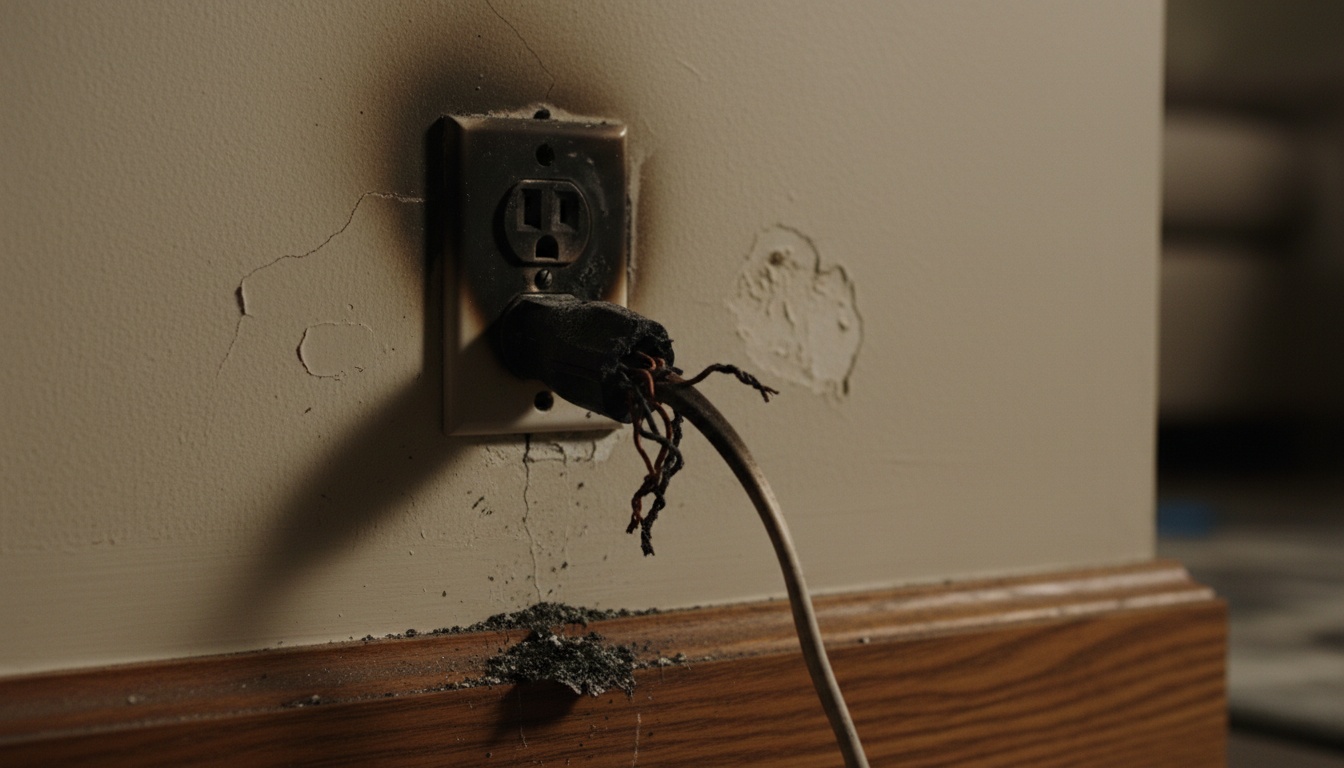
Flickering lights throughout the house, frequently tripped breakers, outlets that feel warm or emit buzzing sounds, burning smells near panels or switches, or any visible scorching around electrical components require immediate professional attention. These indicate overloaded circuits, failing connections, or outdated wiring that creates fire hazards. Homes built before 1980 often contain aluminum wiring or undersized service panels that don’t meet modern electrical demands. Attempting cosmetic fixes on serious electrical issues doesn’t just fail to solve the problem but actively endangers your household.
Plumbing Problems Homeowners Can Handle Versus Those Requiring Licensed Help
Replacing faucet washers, unclogging drains with a plunger or snake, tightening supply line connections, and installing new fixture trim pieces are straightforward maintenance tasks. These address accessibility and appearance without modifying plumbing systems.
Persistent water pressure drops, multiple drain backups, water hammer sounds, visible pipe corrosion, sewer odors, foundation or slab moisture, or recurring leaks in the same location point to systemic plumbing failures. Arizona’s hard water accelerates mineral buildup inside pipes, reducing flow and eventually causing blockages or bursts. Cast iron drain lines common in older Valley homes corrode from the inside out, and by the time you notice slow drains, the pipes may be months from failure. Professional plumbers have diagnostic tools like camera inspections and pressure testing that reveal hidden damage before it becomes catastrophic.
HVAC System Symptoms That Go Beyond Filter Changes
Changing air filters monthly, cleaning exterior condenser coils, and adjusting thermostats are routine maintenance any homeowner should perform. These keep systems running efficiently and prevent dust buildup.
Inconsistent temperatures between rooms, ice forming on refrigerant lines, strange grinding or squealing noises, frequent cycling on and off, rapidly climbing energy bills, or units that won’t reach set temperatures indicate mechanical failure or refrigerant leaks. Arizona’s extreme heat forces HVAC systems to work harder than almost anywhere in the country, and components wear out faster under this stress. A system that struggles during summer threatens more than comfort when indoor temperatures climb above safe levels for vulnerable family members. Refrigerant leaks pose environmental and health risks that only certified technicians can properly address.
Determining When Water Damage Requires Full Remediation
Minor surface condensation on windows during temperature swings or small splashes around tubs and sinks can be wiped dry and monitored. If the moisture doesn’t return and no staining or warping develops, the issue likely resolved itself.
Soft or spongy flooring, bubbling paint, visible mold growth, musty odors, baseboards separating from walls, or discoloration that expands over time reveals ongoing moisture intrusion. By the time these symptoms appear, water has typically been present long enough to compromise structural materials and create conditions for mold colonization. Residential construction standards require proper moisture barriers, but aging materials and settling can create pathways for water infiltration that aren’t immediately obvious. Professional water damage assessment includes moisture meters and thermal imaging to find hidden saturation before it destroys framing or creates health hazards.
Wall and Ceiling Cracks Decoded
Thin cracks at corners where walls meet ceilings or along drywall seams often result from normal building movement or seasonal humidity changes. These can be filled with spackle and repainted without concern.
Wide cracks that run diagonally across walls, horizontal separations, cracks that follow the same path on multiple floors, or gaps that allow you to see into wall cavities signal structural shifts that demand investigation. Arizona’s soil movement creates stress on framing that manifests first as ceiling and wall cracks. When paired with sticking doors, uneven floors, or exterior cracks, these interior symptoms point to foundation or framing issues that cosmetic patching won’t address. Engineers can determine whether the movement has stabilized or continues to progress, information essential for planning appropriate repairs versus wasting money on repeated cosmetic fixes.
When Pest Damage Crosses From Nuisance to Structural Threat
Finding an occasional bug or seeing old mud tubes that clearly haven’t been active for years might warrant only a pest control inspection and monitoring. Desert homes naturally attract insects seeking moisture and shelter.
Active termite tubes, hollow-sounding wood when tapped, visible tunneling in framing members, sagging floors or ceilings, or evidence of rodent nesting in attics and crawl spaces requires both pest treatment and structural assessment. Termites and carpenter ants consume wood from the inside out, and by the time damage becomes visible, significant structural compromise may have occurred. Subterranean termites thrive in Arizona’s climate and can travel 100 feet from their colony to reach food sources. Professional pest inspections combined with contractor evaluations determine the extent of damage and necessary repairs beyond simple extermination.
Making Smart Decisions About Your Home’s Health
The key to protecting your investment lies in honest assessment and timely action. Document problems with photos and dates to track progression. Get multiple opinions when the line between cosmetic and structural seems unclear. Many serious issues present early warning signs that cost relatively little to address but multiply in expense when ignored.
Understanding these distinctions helps you budget appropriately and maintain your home’s safety without unnecessary panic. Some problems genuinely require nothing more than paint and caulk, while others demand immediate professional intervention regardless of cost. The challenge is developing the knowledge to tell them apart, and when in doubt, professional assessment costs far less than deferred repairs.
Phoenix Primera Builders LLC brings over 20 years of experience helping homeowners distinguish between minor maintenance and major repairs. Our team provides honest assessments that protect both your safety and your budget, ensuring you invest in repairs that matter while avoiding unnecessary work. Whether you’re dealing with foundation concerns, water damage, or structural questions, our expertise across Gilbert, Chandler, and throughout the Valley ensures you get the right solution. Contact us at +14806211744 to schedule a comprehensive evaluation and get clear answers about your home’s repair needs.