Commercial property structural upgrades become necessary when buildings show visible damage, safety hazards, or code violations that threaten occupants and business operations. Recognizing these warning signs early prevents costly emergency repairs, reduces liability exposure, and protects your investment. Professional structural assessments identify problems before they escalate into catastrophic failures requiring complete rebuilds.
Business owners and property managers often overlook subtle indicators that signal serious underlying problems. Understanding what to look for helps you act quickly, minimize disruption to tenants, and maintain property value in competitive commercial real estate markets.
Understanding Structural Integrity in Aging Commercial Buildings
Most commercial structures built before 1990 lack modern engineering standards that current codes require. Materials degrade over time, with concrete spalling, steel corrosion, and wood rot accelerating in harsh climates. Arizona’s intense heat cycles, monsoon moisture, and soil movement create unique stresses that compound normal wear patterns.
Buildings designed for lighter loads may now support heavier equipment, expanded occupancy, or different uses than originally intended. Warehouse conversions to office space, retail transformations into medical facilities, and similar adaptive reuse projects often reveal hidden weaknesses. Regular professional inspections every three to five years catch problems while repairs remain manageable and affordable.
Visible Cracks That Signal Foundation Problems
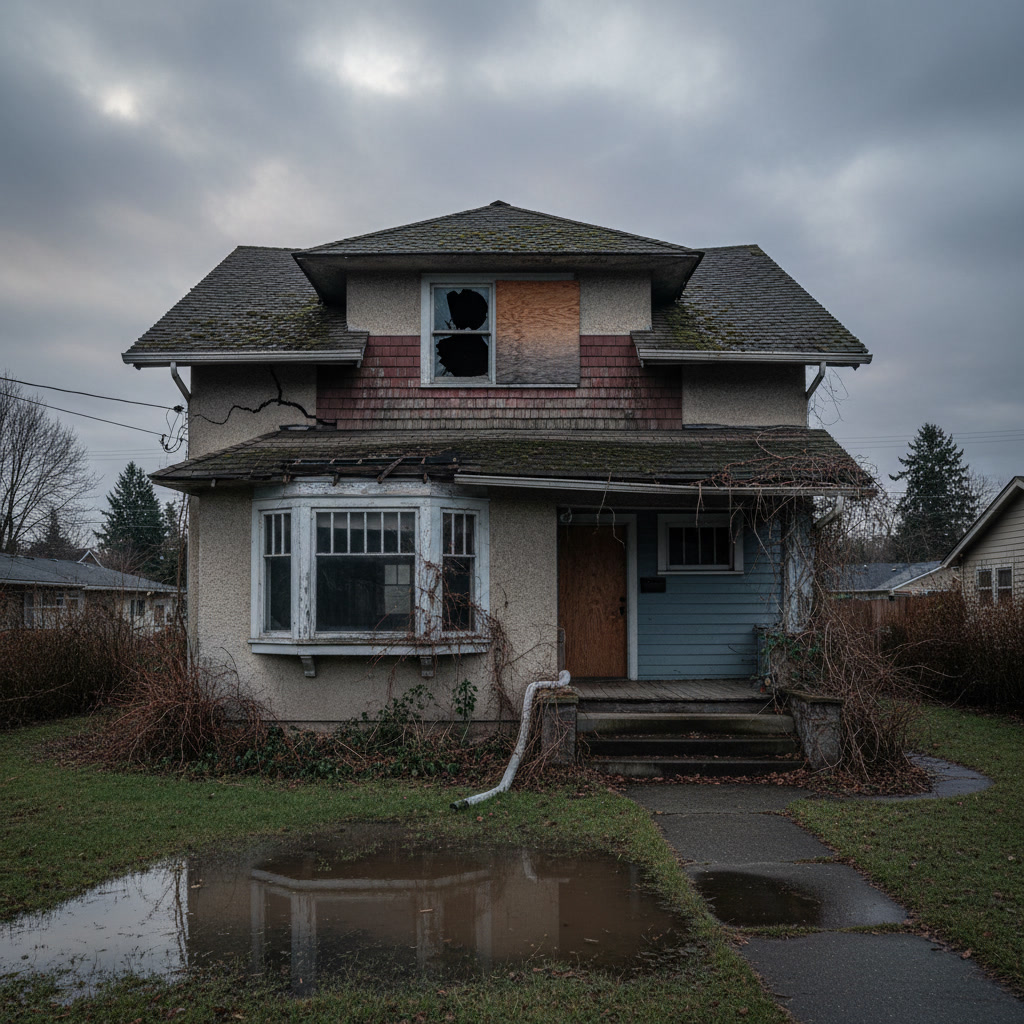
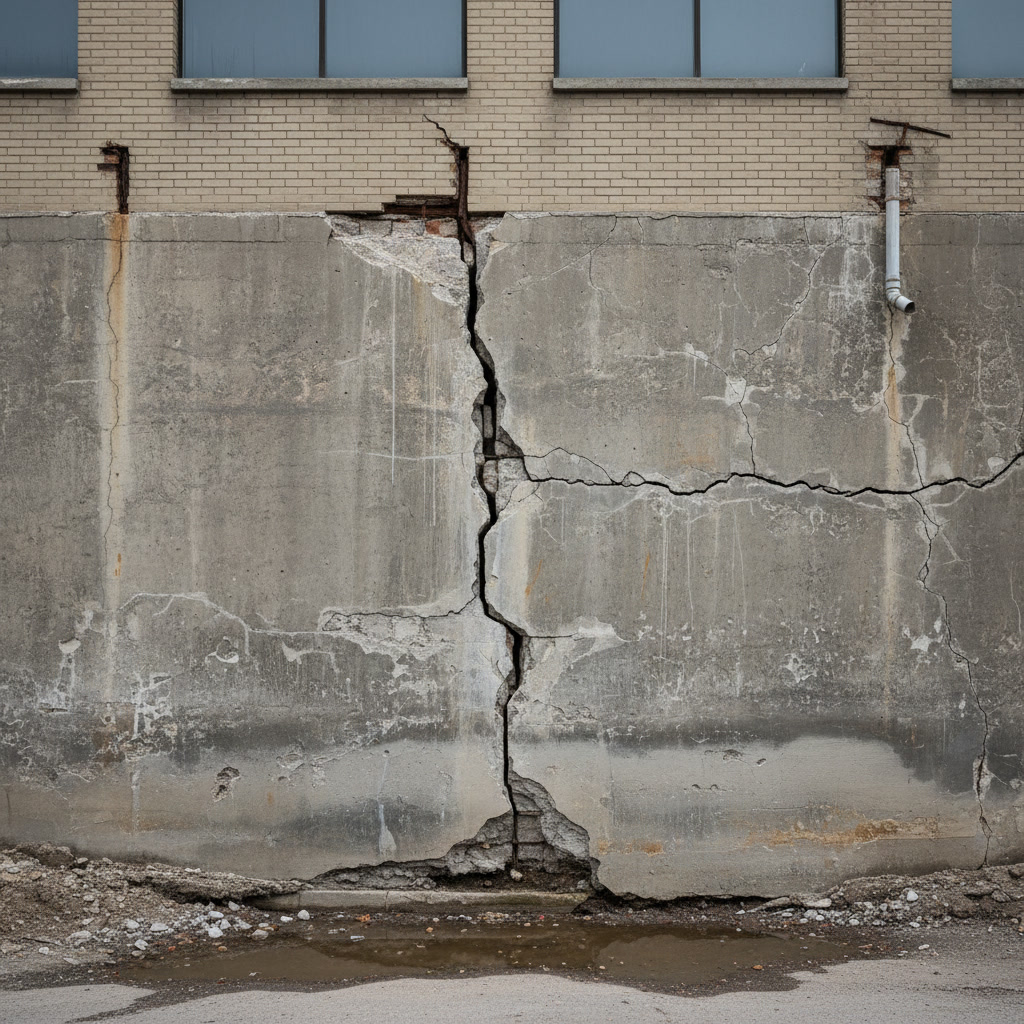
Horizontal cracks wider than one-quarter inch in concrete foundation walls indicate serious pressure from soil expansion or settling. Diagonal cracks radiating from door and window corners suggest differential settlement where one section of your building sinks faster than another. Stair-step patterns in masonry walls follow mortar joints and point to ongoing movement that worsens with time.
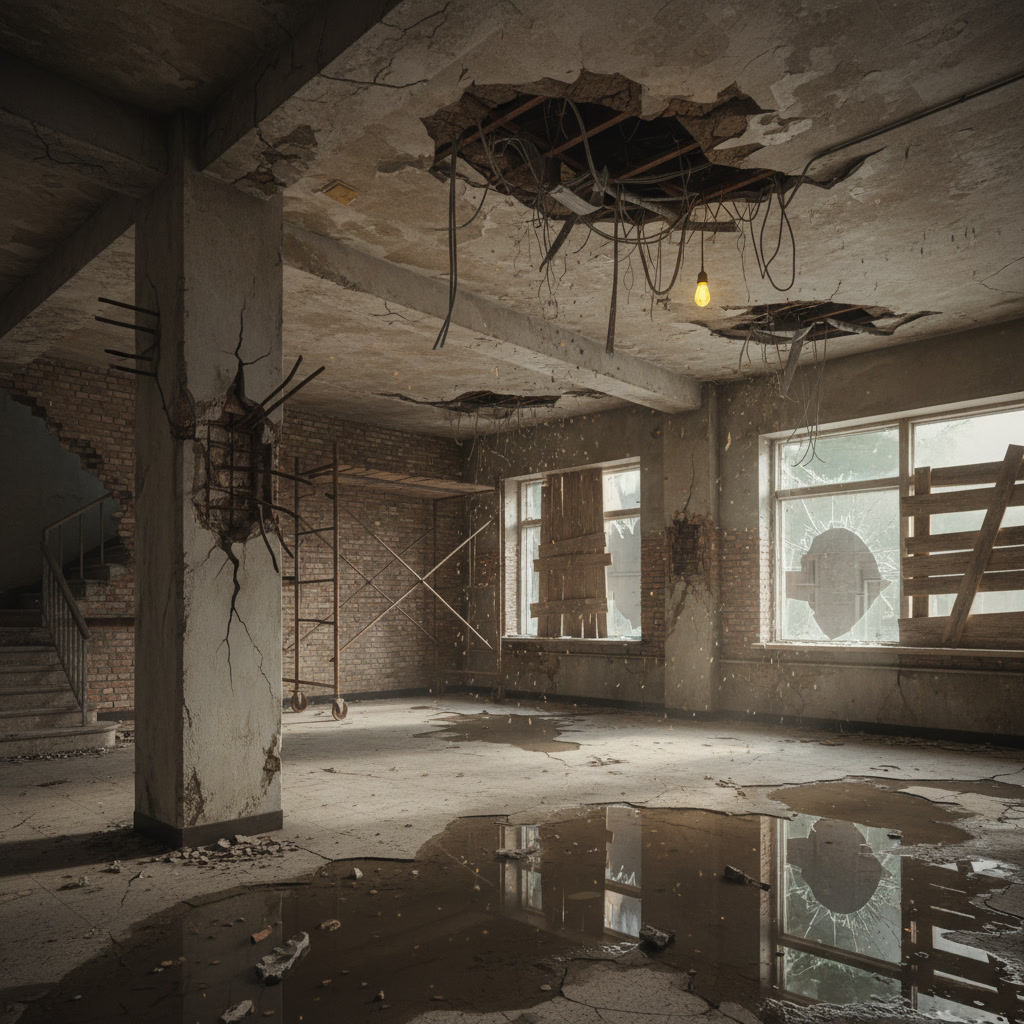
Interior floor cracks that widen, doors that suddenly stick or refuse to latch, and gaps appearing between walls and ceilings all stem from foundation shifts. These issues demand immediate commercial construction expertise to evaluate severity and design corrective solutions. Ignoring foundation movement leads to structural collapse, plumbing failures, and electrical system damage that multiply repair costs exponentially.
Water Damage and Moisture Infiltration Warning Signs
Ceiling stains that reappear after painting indicate active roof leaks allowing water into structural cavities. Efflorescence, the white powdery residue on concrete or masonry surfaces, shows water moving through materials and dissolving salts. Musty odors, visible mold growth, and warped building materials all confirm moisture problems destroying structural components from inside walls and ceilings.
Water penetration deteriorates load-bearing members, corrodes metal connectors, and creates conditions for wood-destroying organisms. Flat commercial roofs with ponding water lasting more than 48 hours after rain accelerate membrane failure and deck deterioration. Professional waterproofing and structural drying must occur before upgrading damaged framing, joists, or support beams.
Sagging Roofs and Compromised Roof Deck Systems
Visible sagging or dipping in roof lines indicates overstressed structural members unable to carry design loads. This often results from added HVAC units, roof-mounted solar arrays, or accumulated layers of roofing materials exceeding original capacity calculations. Snow loads rarely factor into Arizona construction, but ponding water weight and equipment additions create similar stresses.
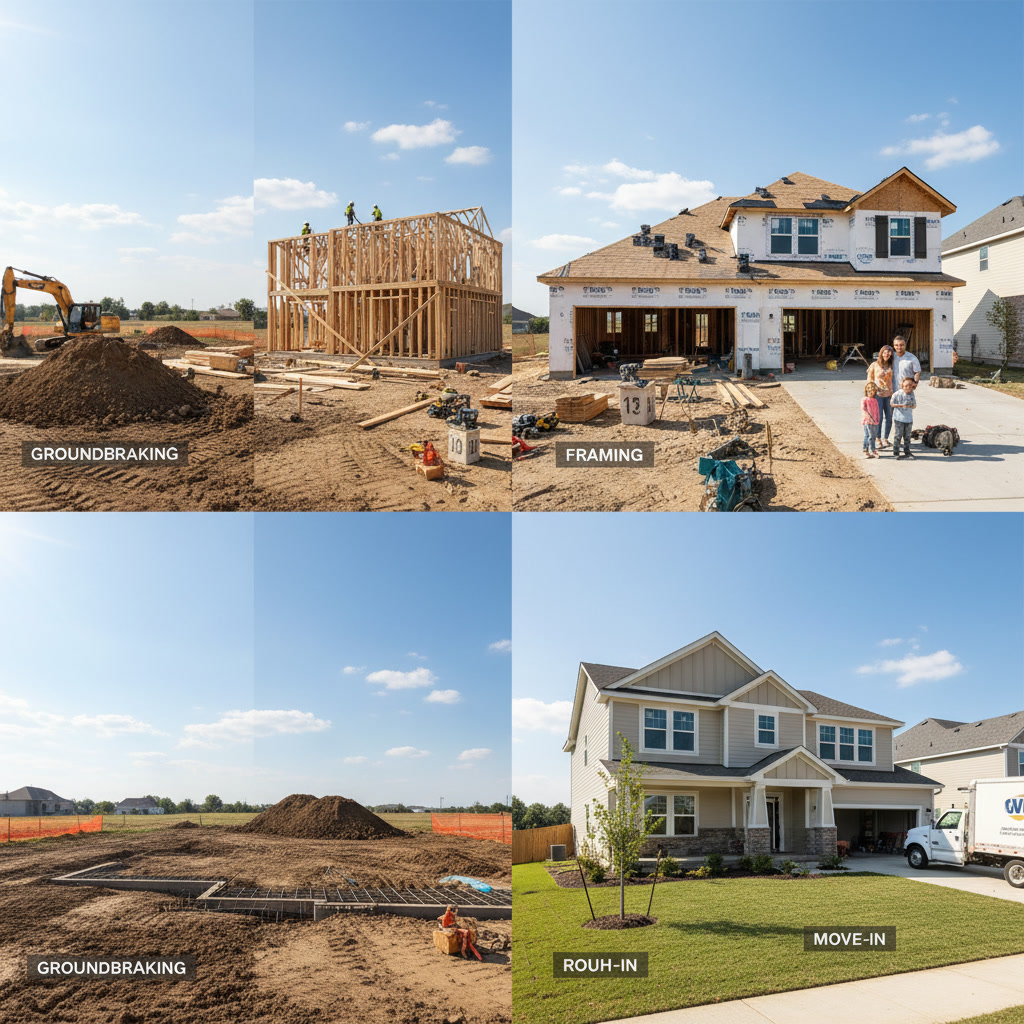
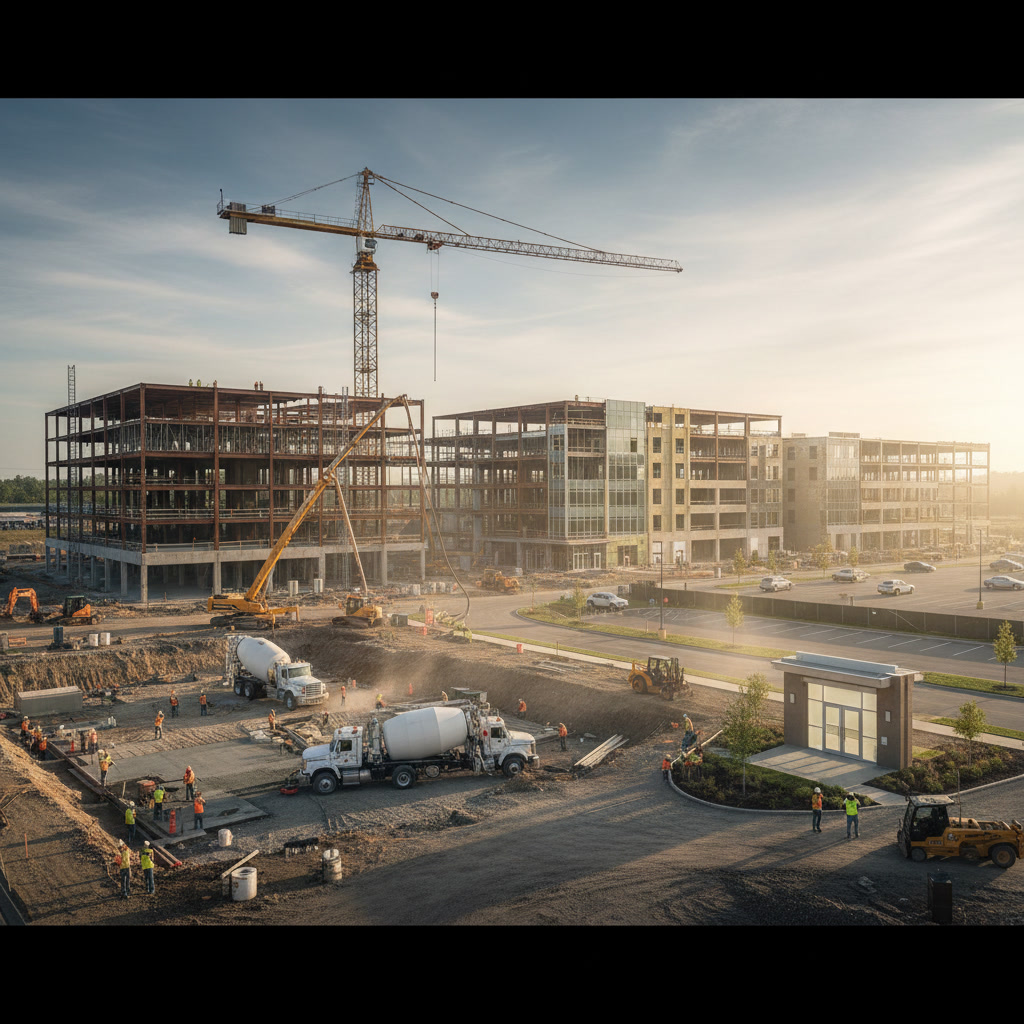
Interior inspections revealing cracked or separated roof decking, rusted metal deck panels, or rotted wood sheathing require immediate attention. A failed roof deck can collapse suddenly, causing injuries, property damage, and complete business shutdowns. Understanding what happens during a commercial construction project helps you prepare for the permitting, engineering, and timeline involved in major roof structural repairs.
Critical Warning Signs for Mesa Property Owners
Properties in Mesa face specific challenges from expansive clay soils that swell with moisture and shrink during dry periods. This seasonal movement stresses foundations, creating the crack patterns and settling issues described earlier. Older commercial buildings constructed before modern soil engineering standards suffer more severe foundation problems than newer structures built on properly prepared sites.
Monsoon season brings intense rainfall that tests drainage systems, roof integrity, and waterproofing. Properties showing new damage after summer storms need professional evaluation to determine if problems stem from isolated events or indicate systemic structural deficiencies. Temperature swings exceeding 40 degrees between day and night cause expansion and contraction that loosens connections, opens joints, and accelerates material fatigue over decades of cycling.
Structural Problems From Outdated Building Systems
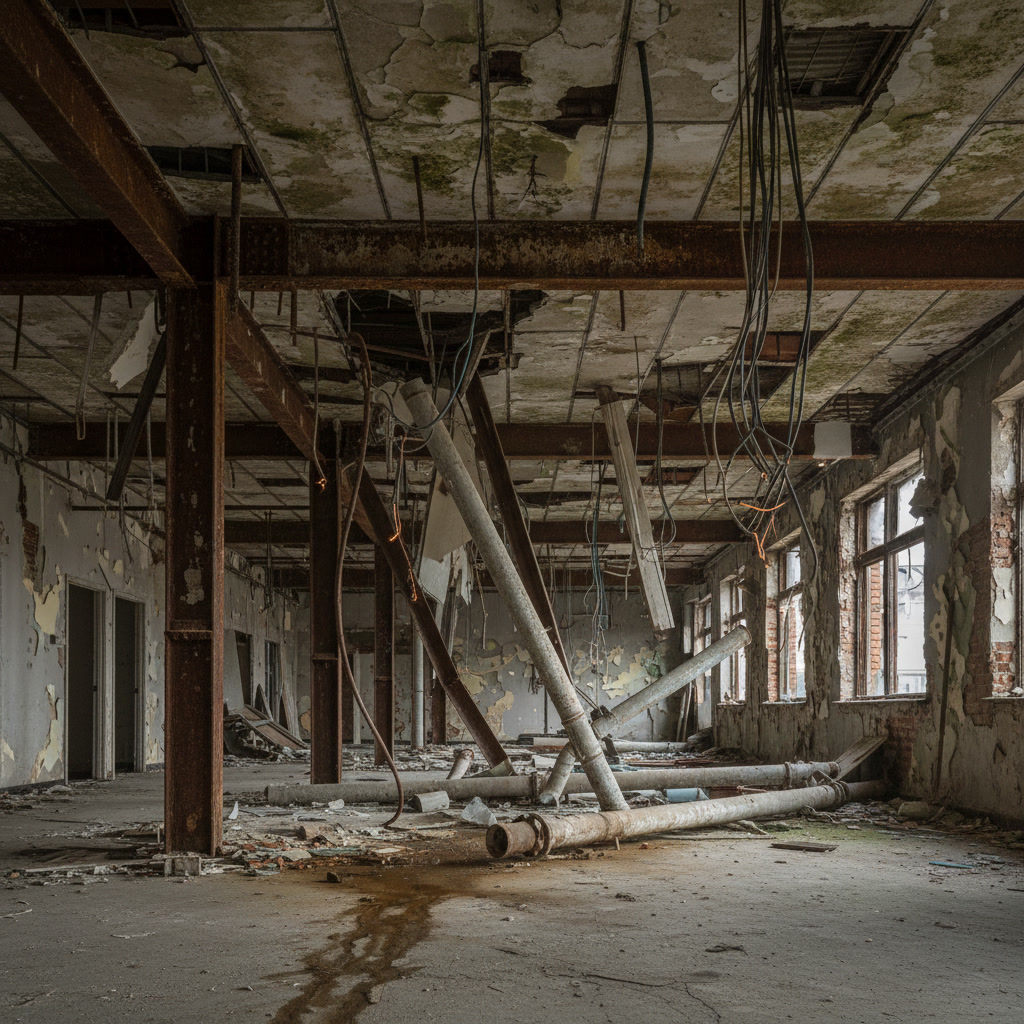
Commercial buildings constructed 30 or more years ago often contain asbestos insulation, outdated electrical panels, and obsolete plumbing that require replacement during structural upgrades. Combining these system updates with necessary structural work reduces overall project costs and business disruption. Steel moment frames may lack adequate welds, concrete may test below current strength requirements, and wood framing may use species or grades no longer acceptable under modern codes.
Seismic retrofit requirements affect older commercial structures even in moderate earthquake zones. Unreinforced masonry walls, inadequate shear wall placement, and missing hold-down anchors create collapse risks during ground motion. Professional engineering assessments identify deficiencies and design compliant upgrade paths that protect occupants while preserving property functionality.
Comparison of Repair Versus Replace Decisions
Minor surface cracks measuring less than one-eighth inch wide and showing no active movement often need only cosmetic repair and monitoring. Moderate damage including cracks between one-eighth and one-quarter inch, isolated beam deflection, or localized water damage typically allows targeted repairs that restore structural capacity without full replacement. Severe conditions such as widespread foundation failure, extensive rot or corrosion, or buildings leaning more than one inch per eight feet of height generally require complete reconstruction.
Cost analysis must compare repair expenses against remaining useful building life. Spending $150,000 repairing a structure worth $400,000 with 30 years of service ahead makes financial sense. Investing the same amount in a building worth $300,000 requiring another $200,000 in deferred maintenance within five years does not. Professional structural engineers and experienced contractors provide realistic assessments that guide smart investment decisions.
Code Compliance Issues Triggering Mandatory Upgrades
Building departments require structural upgrades when renovations exceed specific thresholds, typically 50 percent of building value within any 12-month period. Change of occupancy classifications, such as converting warehouse space to assembly use, triggers full code compliance reviews. Additions exceeding certain square footage percentages may require bringing entire existing structures up to current standards.
ADA accessibility improvements often reveal underlying structural deficiencies when adding ramps, widening doorways, or installing elevators. Fire safety upgrades including sprinkler system installations add weight to roof structures that may need reinforcement. Working with contractors experienced in both commercial construction and the permitting process prevents project delays and budget overruns from unexpected compliance requirements.
Safety Hazards Demanding Immediate Action
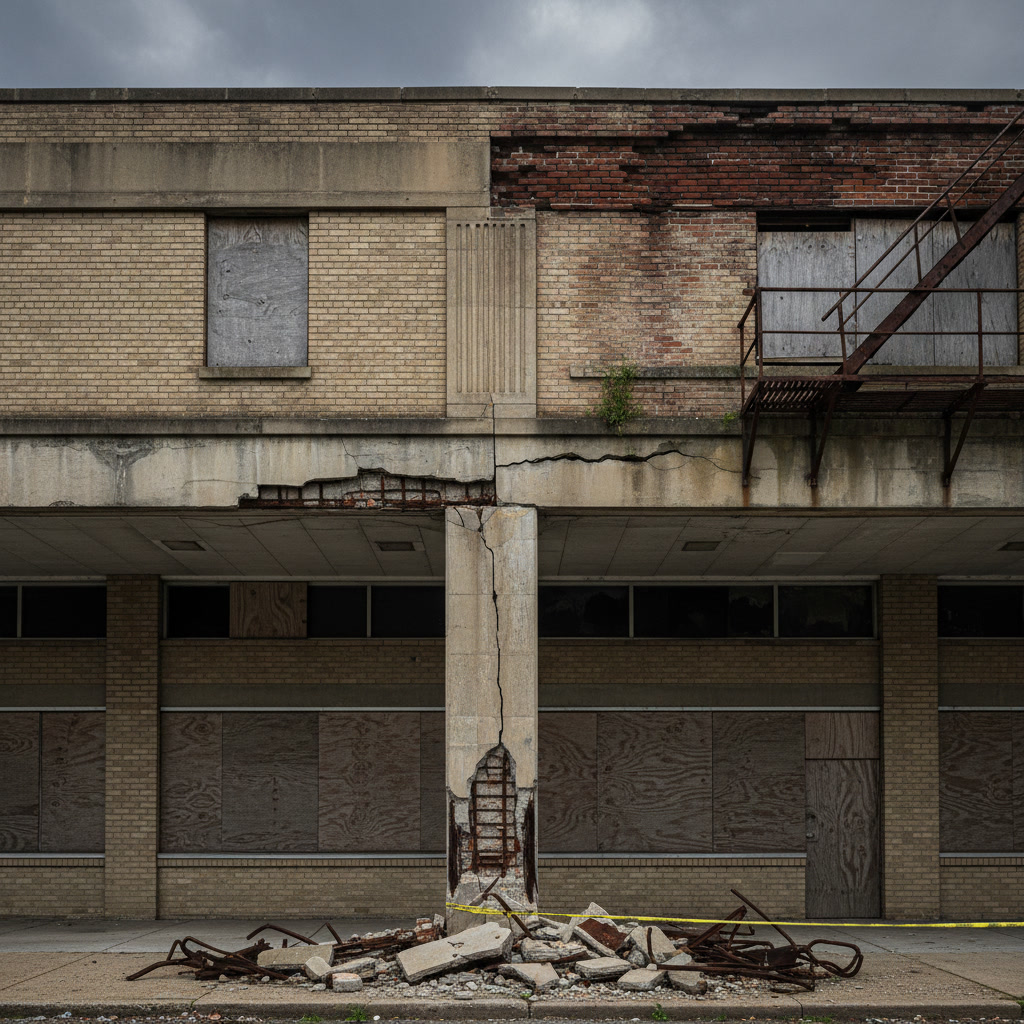
Any situation where structural members visibly sag, lean, or separate requires immediate building evacuation and emergency shoring. Exposed reinforcing steel in concrete, large sections of spalled concrete, or masonry walls bulging outward create imminent collapse risks. Strange noises including popping, cracking, or groaning sounds from structural areas indicate active failure processes already underway.
Sudden changes deserve immediate professional evaluation even when damage appears minor. A small crack that wasn’t present last week signals active movement requiring investigation. Similar principles apply to residential properties, and the same attention to detail that identifies signs your home needs major repairs applies to commercial structures on a larger scale.
How Professional Structural Assessments Work
Licensed structural engineers conduct comprehensive evaluations using visual inspections, material testing, and load calculations. They examine foundations, framing systems, load paths, and connection details to identify weaknesses. Non-destructive testing methods including ground-penetrating radar, ultrasonic testing, and infrared thermography reveal hidden problems without damaging finishes.
Engineers produce detailed reports documenting existing conditions, code deficiencies, and recommended repairs prioritized by urgency and safety impact. These reports provide the technical basis for accurate cost estimates, permitting applications, and construction documents. Property owners receive clear explanations of problems, realistic repair timelines, and multiple solution options fitting different budget constraints.
Protecting Your Investment Through Proactive Maintenance
Implementing regular inspection schedules prevents minor issues from becoming major structural failures. Annual roof inspections, quarterly drainage system checks, and seasonal foundation monitoring catch problems early when repairs cost thousands instead of hundreds of thousands. Documenting building conditions with dated photographs creates baseline references that help identify changes requiring professional evaluation.
Establishing relationships with qualified contractors before emergencies occur ensures rapid response when problems develop. Companies with decades of experience like Phoenix Primera Builders LLC understand the unique challenges Arizona commercial properties face and provide solutions that address root causes rather than symptoms. Proactive maintenance extends building life, protects tenant relationships, and preserves property values in competitive markets.
Partner With Experienced Construction Professionals
Recognizing warning signs early and acting quickly separates successful property owners from those facing catastrophic failures and liability claims. Professional structural assessments provide the information needed to make informed decisions about repairs, upgrades, or reconstruction. Addressing problems promptly minimizes business disruption, controls costs, and protects everyone who enters your building.
Phoenix Primera Builders LLC brings over 20 years of construction expertise to commercial property challenges throughout the Phoenix metropolitan area. Our team understands structural systems, code requirements, and cost-effective solutions that keep your property safe and functional. Contact us at +14806211744 to schedule a professional assessment and discuss how we can address your commercial property needs with quality craftsmanship and competitive pricing.