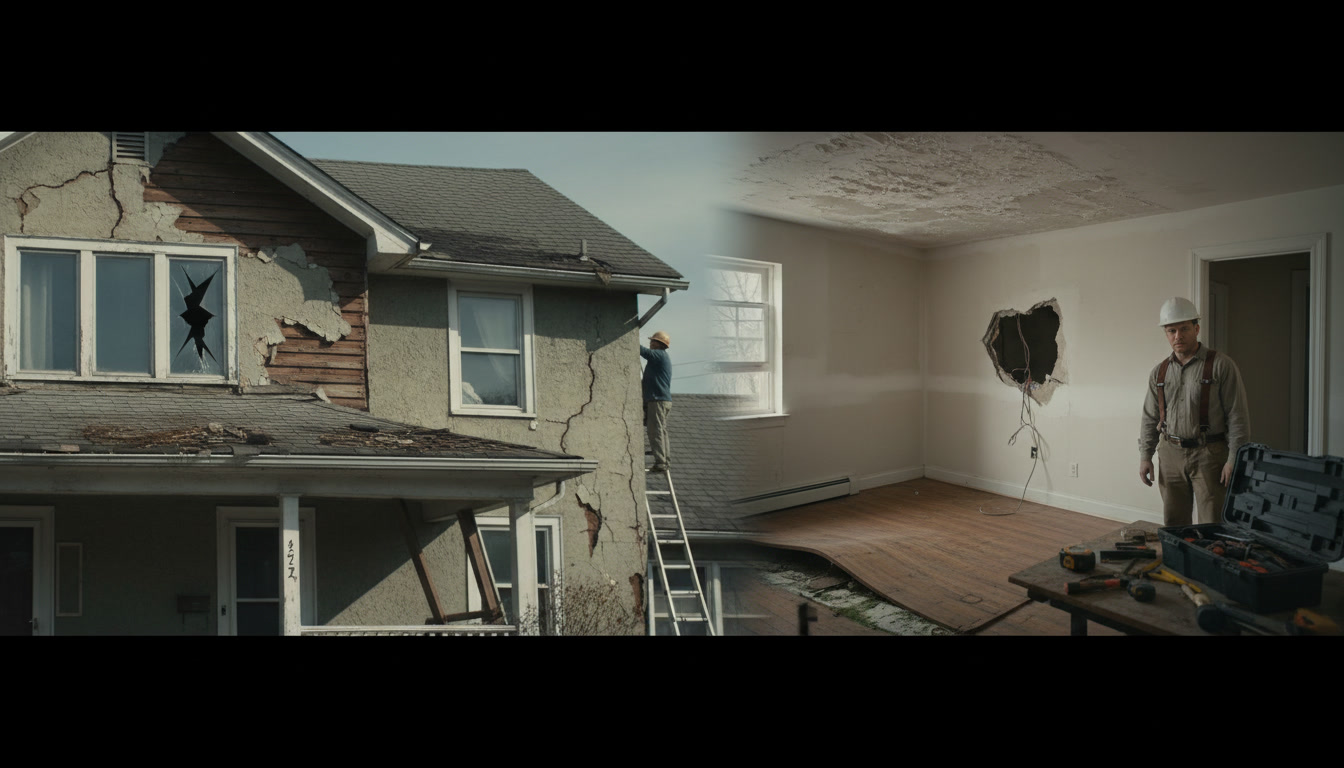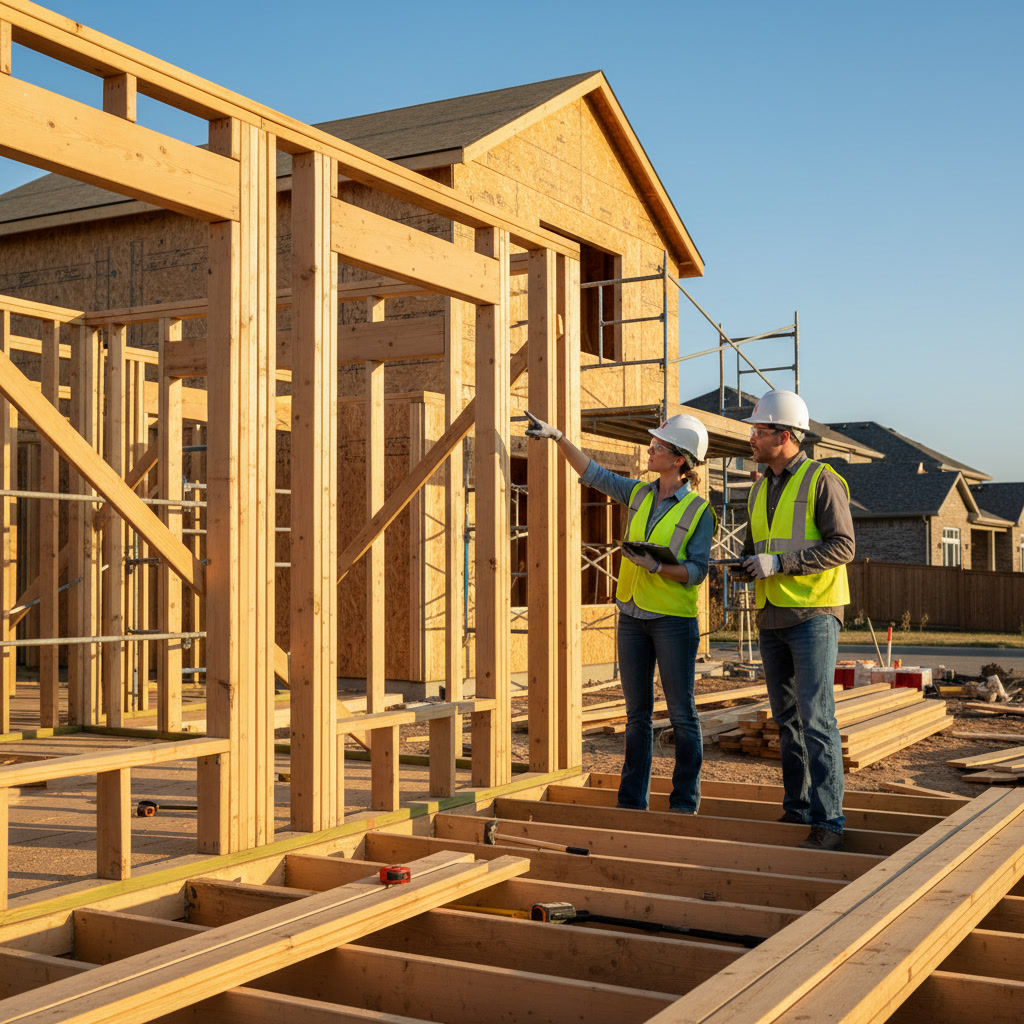
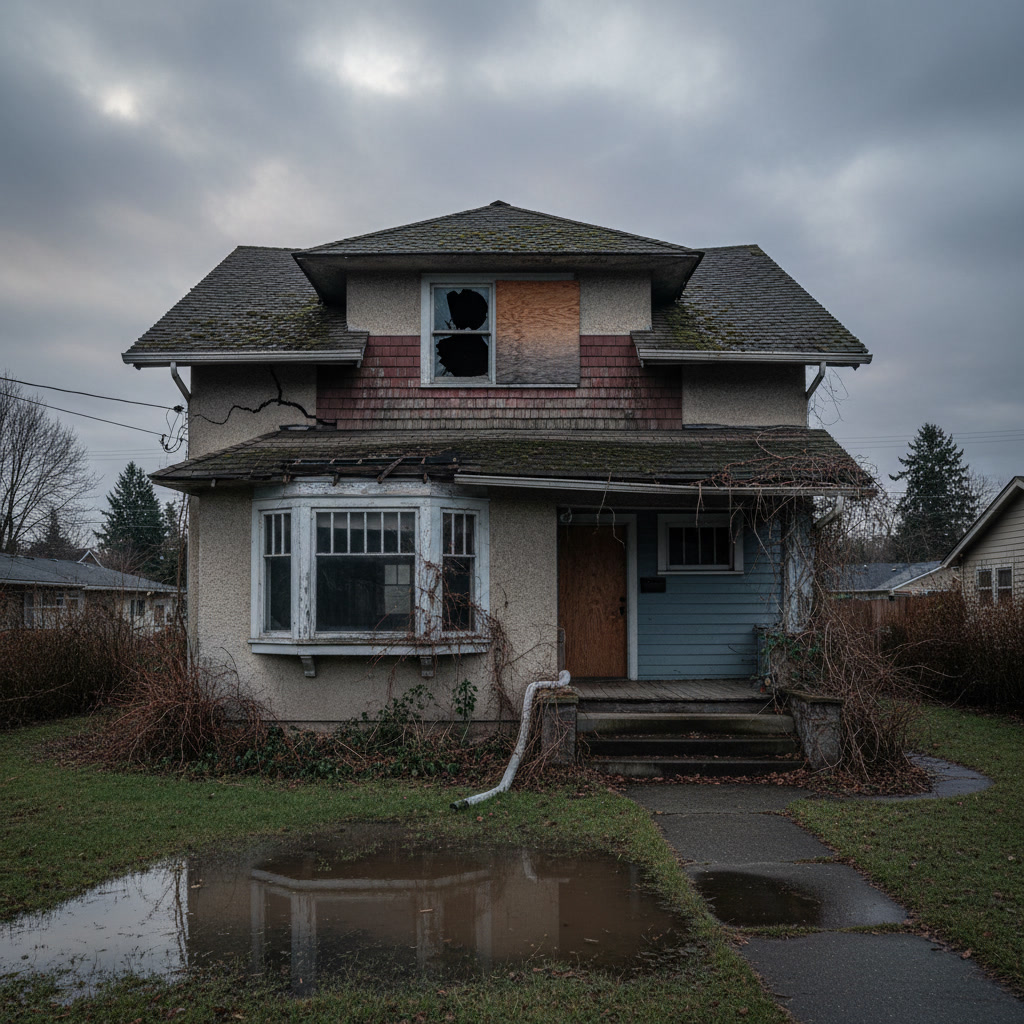
Every home shows warning signs before serious structural or system failures occur. Recognizing the signs home needs major repairs early can save you thousands of dollars and prevent dangerous living conditions. Small cracks, persistent odors, or minor water stains often signal much larger problems hidden behind walls or beneath floors. Addressing these issues promptly protects both your investment and your family’s safety.
Why Prevention Matters More Than Reaction
Most homeowners wait until something breaks completely before calling for help. That delay often multiplies the final repair cost by three to five times. A small roof leak caught early might cost $800 to fix. Wait six months, and you’re looking at $5,000 in water damage, mold remediation, and structural repairs. Understanding what to look for gives you control over maintenance timing and budget.
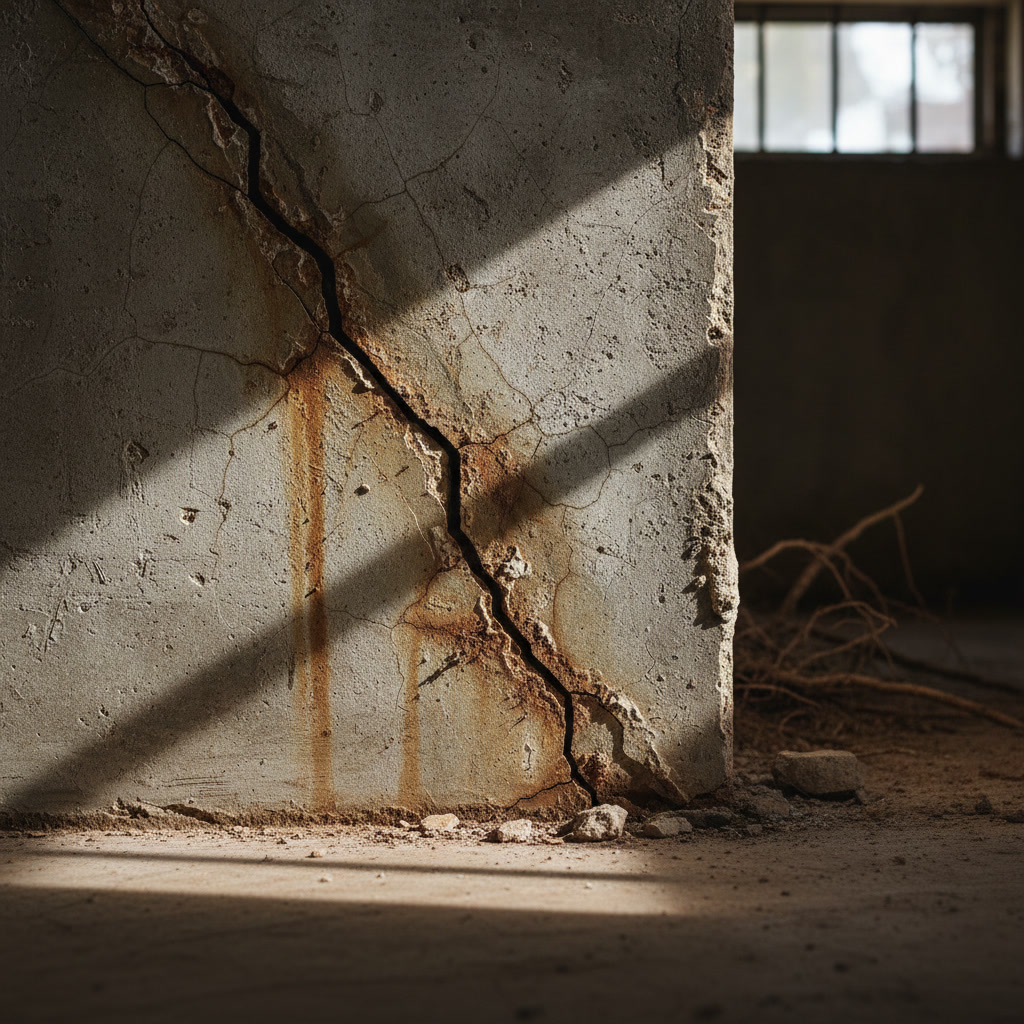
Foundation Cracks That Demand Immediate Attention
Not all foundation cracks are equal. Hairline cracks under 1/8 inch wide typically result from normal settling. However, horizontal cracks, stair-step patterns in brick or block, or vertical cracks wider than 1/4 inch indicate serious structural movement. You’ll also want to watch for doors and windows that suddenly stick or won’t close properly. These symptoms point to foundation shifts that require professional assessment.
Arizona’s expansive clay soils make foundation monitoring especially important. The extreme temperature swings between seasons cause soil to expand and contract dramatically. If you notice cracks appearing after summer monsoons or winter rains, document them with photos and measurements. Professional home repairs specialists can determine whether you’re dealing with cosmetic issues or structural failures requiring immediate intervention.
Roof Damage Beyond Missing Shingles
Missing shingles are obvious, but subtler roof problems cause more damage. Check your attic after strong winds or storms. Daylight visible through roof boards, dark streaks on wood, or damp insulation all indicate compromised roofing systems. Granules collecting in gutters mean your shingles are deteriorating past their protective capacity.
Arizona homes face intense UV exposure year-round. A roof rated for 20 years in moderate climates might last only 15 in Mesa or surrounding areas. Curling shingle edges, blistering surfaces, or sagging sections between rafters mean your roof is approaching failure. Catching these signs early allows you to plan replacement on your schedule rather than during an emergency.
Water Stains and Hidden Moisture Problems in Mesa
Water stains on ceilings or walls never appear without cause. Even if the stain looks old and dry, moisture found a path into your home at some point. Common sources include roof leaks, plumbing failures, HVAC condensation issues, or exterior penetration through windows and doors. The visible stain represents only a fraction of the affected area. Behind that ceiling, insulation might be soaked and wood framing could be rotting.
Professional moisture meters detect hidden water damage invisible to the eye. If you notice musty odors, peeling paint, or wallpaper bubbling near a stain, active moisture is still present. These conditions create perfect environments for mold growth within 24 to 48 hours. Addressing moisture intrusion quickly prevents health hazards and preserves structural integrity.
Electrical Warning Signs You Should Never Ignore
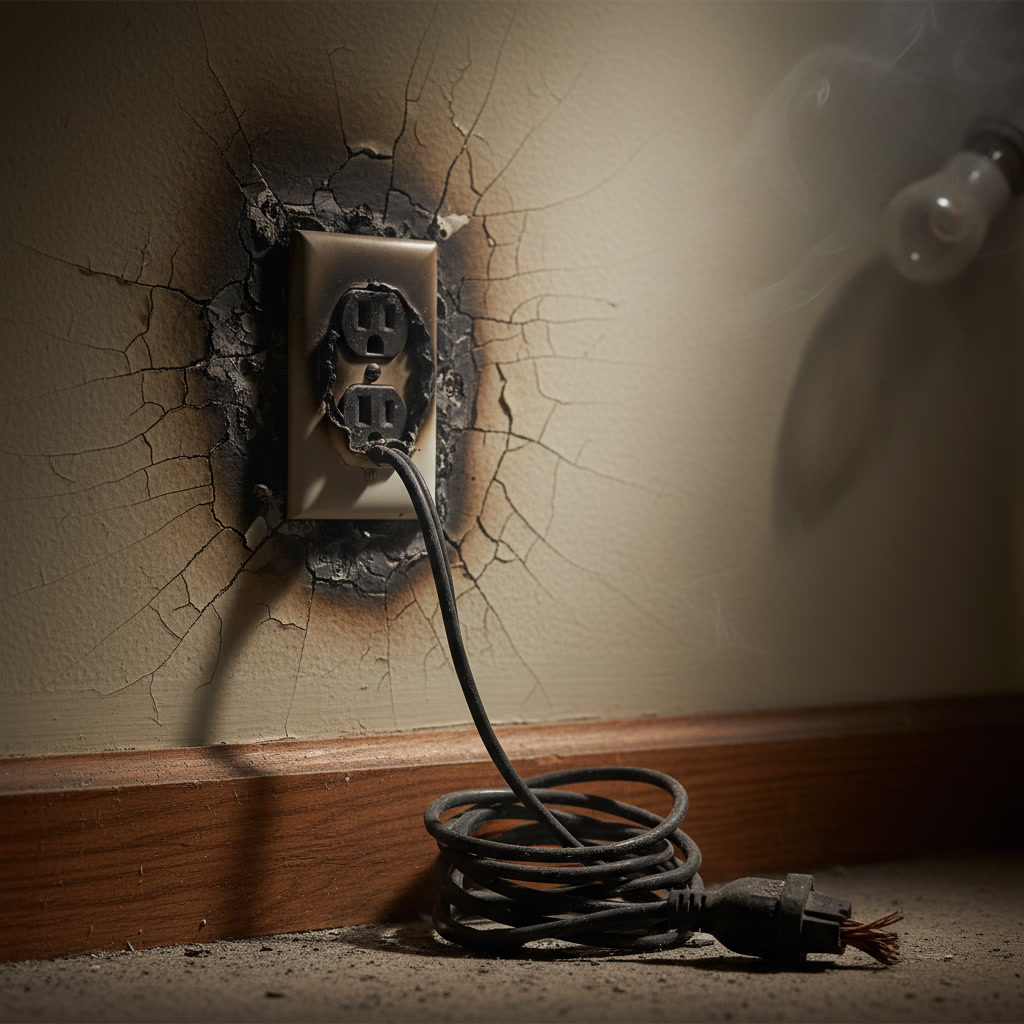
Flickering lights, frequent circuit breaker trips, or outlets that feel warm to the touch indicate serious electrical problems. Outdated wiring, overloaded circuits, or failing connections create fire hazards. Many Arizona homes built before 1990 have aluminum wiring or undersized electrical panels that can’t handle modern appliance loads.
Burning smells near outlets or breaker boxes demand immediate professional attention. Sparking when you plug in devices, discolored outlet covers, or buzzing sounds from switches all point to dangerous conditions. Electrical failures cause thousands of house fires annually. If your home shows any of these symptoms, have a licensed electrician inspect the entire system before attempting any home remodeling projects.
Plumbing Failures That Start Small
Slow drains, reduced water pressure, or toilets that run constantly seem like minor annoyances. These symptoms often indicate larger system failures developing. Galvanized steel pipes common in older Arizona homes corrode from the inside out. By the time you notice reduced flow, the pipe diameter has shrunk by 50 percent or more. Complete failure and flooding follow soon after.
Water heater age matters more than most homeowners realize. Units over 10 years old are living on borrowed time. Rust-colored hot water, rumbling sounds during heating cycles, or moisture around the base signal imminent tank failure. A 50-gallon water heater leak can dump hundreds of gallons into your home before you discover it. Proactive replacement prevents thousands in water damage repairs.
HVAC Systems Running on Borrowed Time
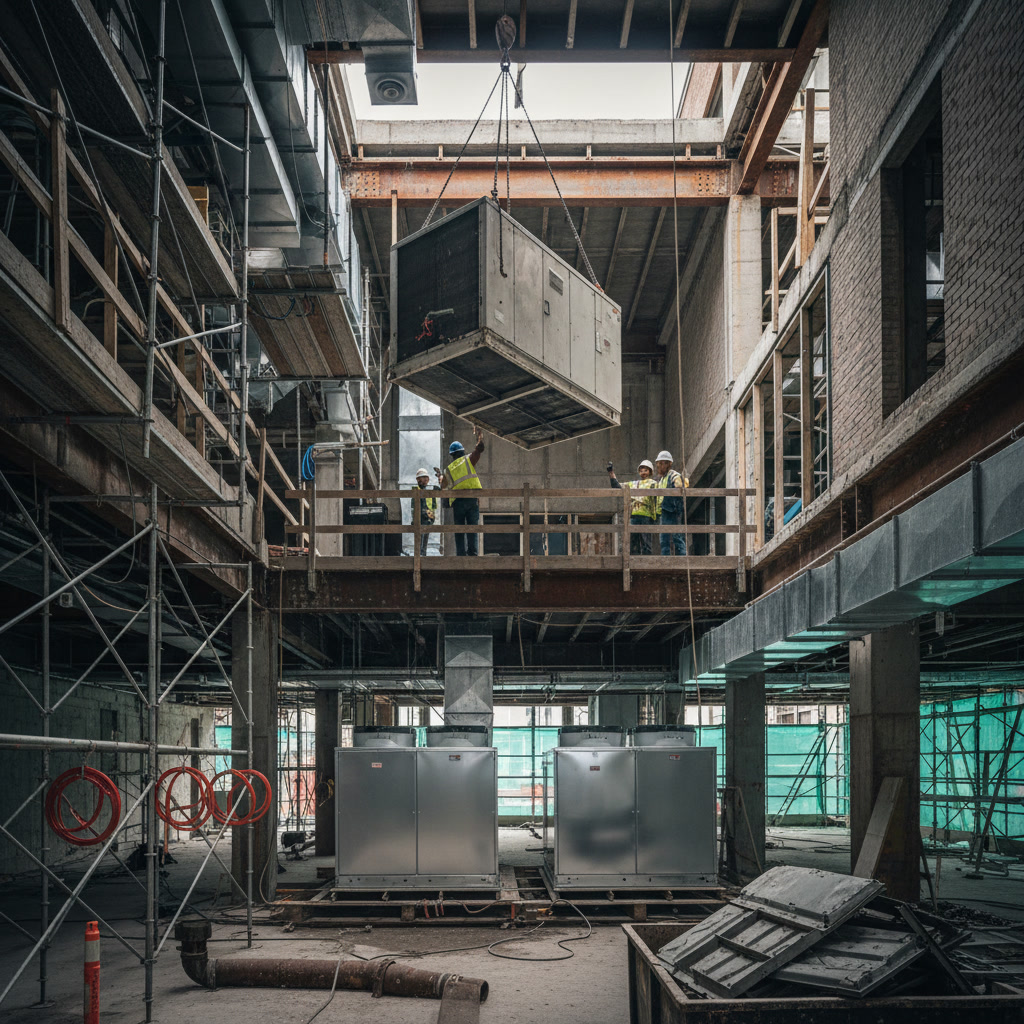
Arizona air conditioners work harder than systems anywhere else in the country. A unit running 200-plus days per year wears out faster than manufacturers’ national average estimates suggest. Strange noises, ice forming on refrigerant lines, or rooms that won’t cool evenly indicate serious problems. Refrigerant leaks, compressor failures, or ductwork separation all reduce efficiency and drive up energy costs before total system failure.
Higher utility bills without increased usage often signal HVAC inefficiency. Compare your current bills to the same months in previous years. A 20 percent increase suggests your system is struggling. Addressing failing components early costs far less than emergency replacement during a 115-degree heat wave. Consider whether home additions or renovations have increased your cooling load beyond your current system’s capacity.
Pest Damage Hidden Behind Walls
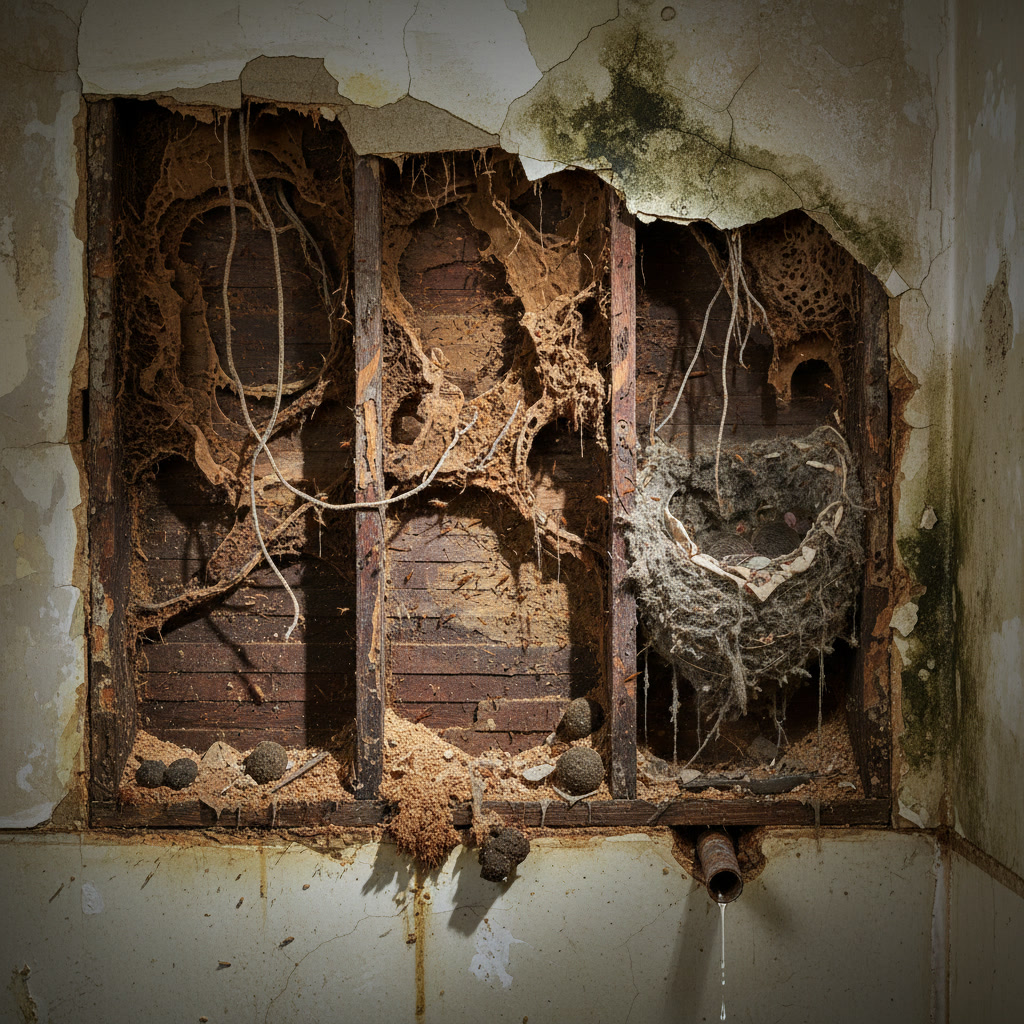
Termites cause over five billion dollars in property damage annually nationwide. Desert subterranean termites thrive in Arizona’s climate, attacking wood framing, floor joists, and roof structures. Small mud tubes on foundation walls, hollow-sounding wood when tapped, or discarded wings near windows indicate active infestations. By the time damage becomes visible, colonies have often been feeding for years.
Rodents create different but equally serious problems. Chewed wiring causes electrical fires, while contaminated insulation spreads disease. If you hear scratching in walls or attics, find droppings, or notice greasy rub marks along baseboards, you have unwanted residents. Pest damage often voids homeowners insurance claims because it’s considered preventable through regular inspections. Professional assessment identifies the full extent of structural damage requiring repair.
Exterior Deterioration Accelerating
Stucco cracks, peeling paint, or wood trim showing rot expose your home’s interior to moisture and pests. Arizona’s intense sun degrades exterior materials rapidly. What starts as cosmetic damage quickly becomes structural once water penetrates the building envelope. Pay special attention to areas where different materials meet, around windows and doors, or near roof-wall intersections.
Failing caulk and sealants allow water intrusion during monsoon storms. Check these areas twice yearly and reapply as needed. Window sills that feel soft when pressed, fascia boards showing water stains, or siding pulling away from walls all indicate advancing deterioration. Catching these issues early preserves the underlying structure and keeps repair costs manageable.
When DIY Becomes Dangerous
Some repairs are simple enough for handy homeowners. Changing air filters, caulking windows, or replacing worn weather stripping fall within most skill sets. However, structural repairs, electrical work, plumbing modifications, or roof repairs require professional expertise and proper licensing. Amateur repairs often create bigger problems, violate building codes, or void warranties.
Professional contractors carry liability insurance protecting you if something goes wrong. They understand local building codes and permitting requirements. A properly executed repair maintains your home’s value and provides documentation for future buyers. The money saved attempting complex DIY repairs rarely justifies the risk when problems occur. Phoenix Primera Builders LLC brings over 20 years of experience identifying and resolving structural issues before they escalate into emergencies.
Protecting Your Investment Through Regular Assessment
Smart homeowners schedule annual home inspections even without obvious problems. Professional eyes catch developing issues invisible to untrained observers. A thorough assessment costs $300 to $500 but identifies problems when repairs are still affordable. Document all findings with photos and written reports. This record helps you track changes over time and plan maintenance budgets.
Create a home maintenance calendar covering seasonal tasks. Spring inspections should focus on roof condition, HVAC performance, and exterior drainage. Fall assessments check weatherproofing, heating systems, and foundation stability. This proactive approach transforms overwhelming emergency repairs into manageable planned maintenance. Your home is likely your largest financial investment. Regular attention protects that value and prevents small issues from becoming expensive disasters.
If you’ve noticed any warning signs discussed here, don’t wait for complete failure. Phoenix Primera Builders LLC provides comprehensive residential construction and repair services throughout the Phoenix metro area. Our experienced team identifies problems accurately and delivers solutions that last. Contact us at +14806211744 to schedule an assessment and protect your home before minor issues become major expenses.