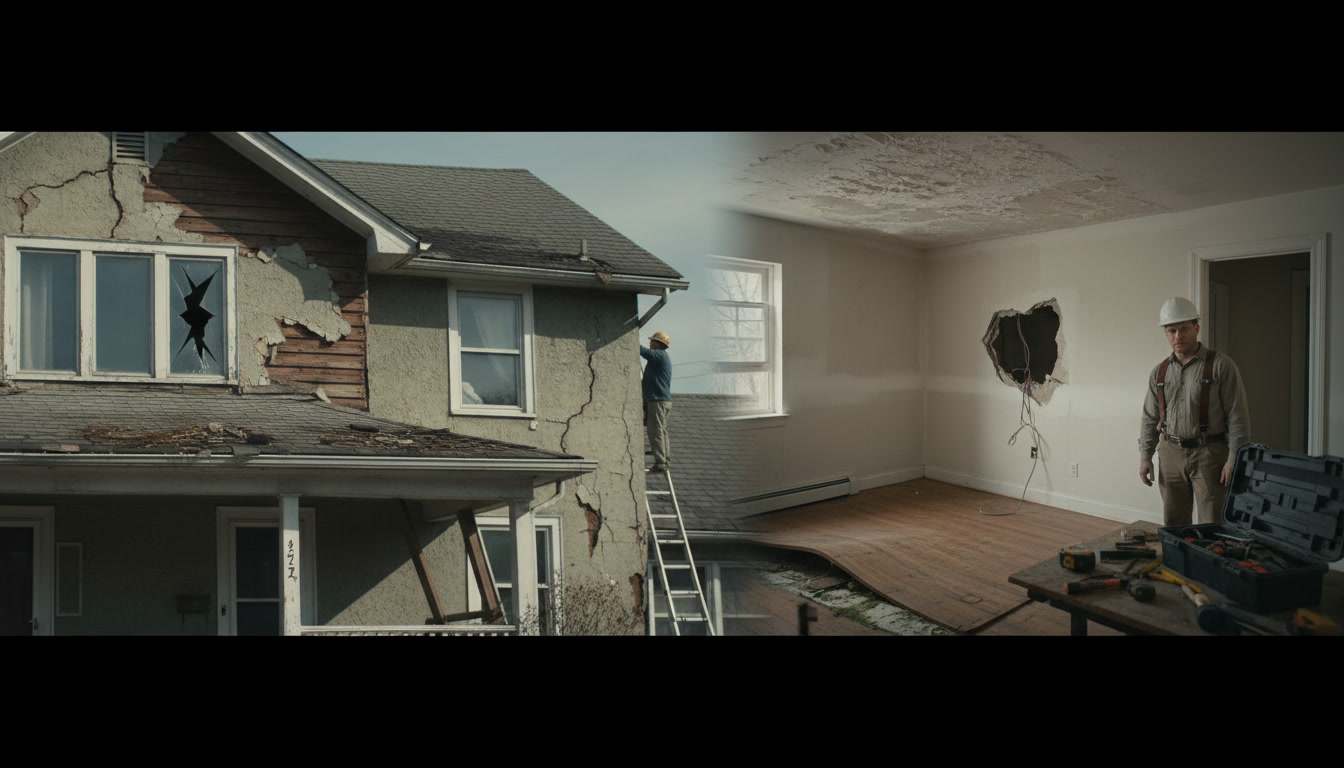
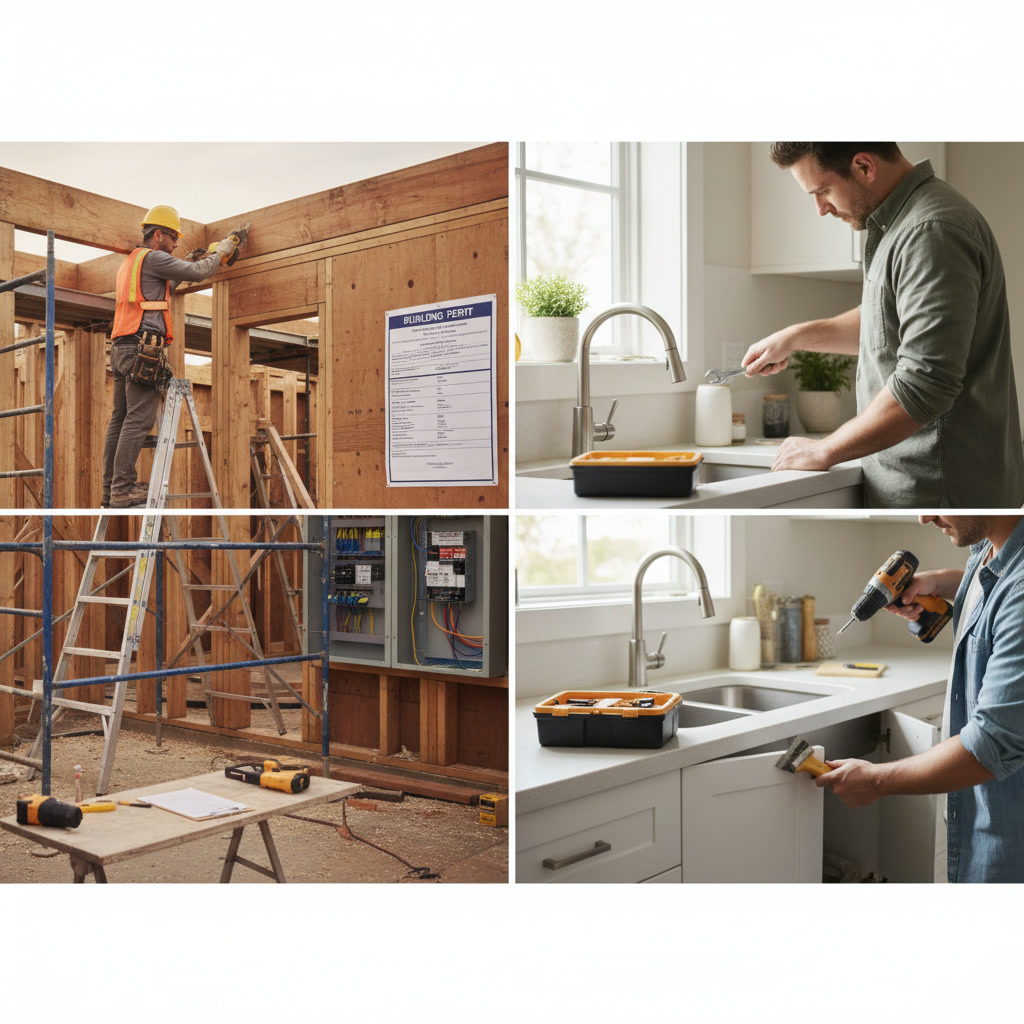
Most home repairs require permits when they involve structural changes, electrical work, plumbing modifications, or significant alterations to your property’s footprint. Simple cosmetic updates like painting, replacing fixtures, or minor drywall repairs typically do not trigger inspection requirements. Understanding which home repairs permits required can prevent costly fines, failed inspections during home sales, and potential safety hazards that arise from unpermitted work.
Why Building Departments Regulate Certain Home Repairs
Building codes exist to protect homeowners and future occupants from dangerous construction practices. When repairs affect your home’s structural integrity, electrical systems, or plumbing, local authorities need to verify the work meets safety standards. Unpermitted work can lower your property value and create liability issues if someone gets injured due to faulty repairs.
Arizona municipalities maintain their own permit requirements, though most follow the International Building Code as a foundation. Each city enforces these rules differently, with some jurisdictions being stricter than others about residential modifications.
The True Cost of Skipping Required Permits in Mesa
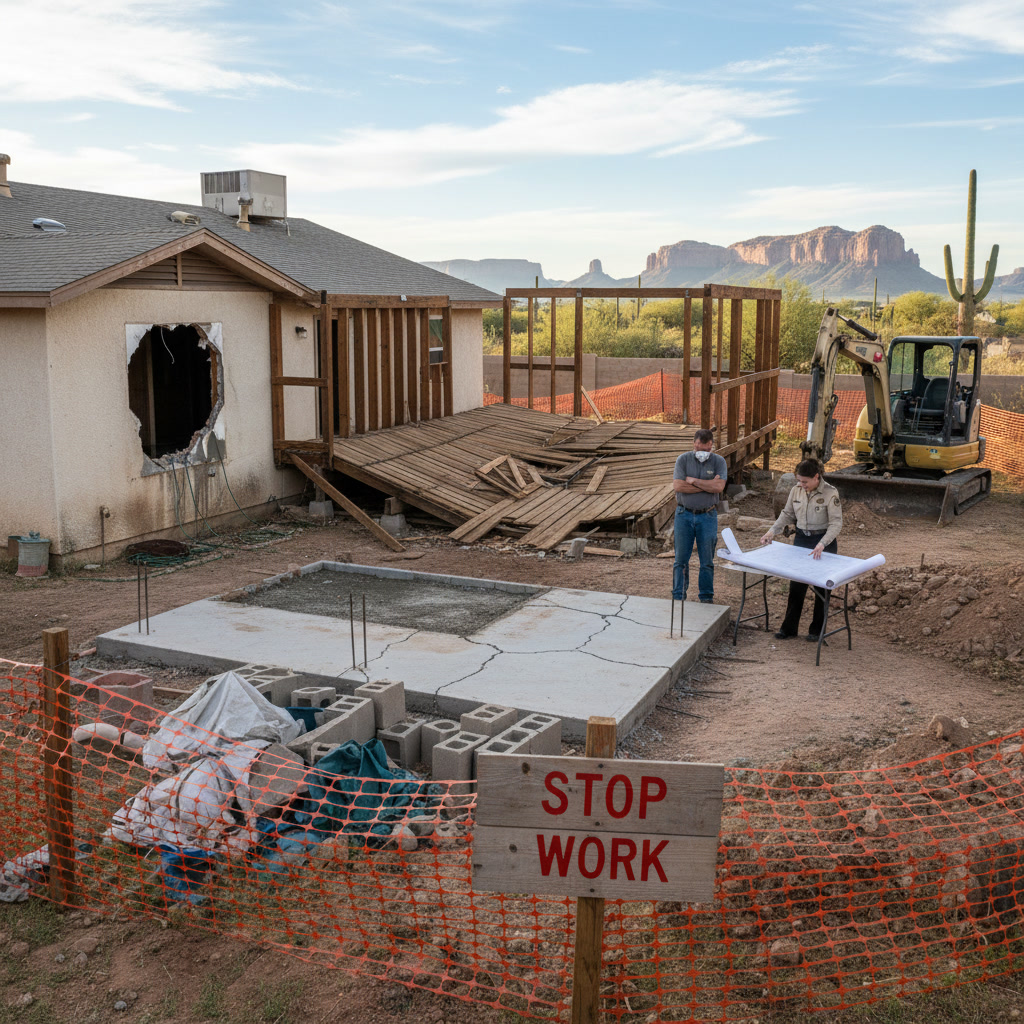
Homeowners who bypass permit requirements face serious financial consequences. Building departments in Mesa and surrounding areas can issue stop-work orders, levy fines ranging from $500 to several thousand dollars, and require you to tear out completed work for inspection. Phoenix Primera Builders LLC has seen cases where homeowners paid three times the original project cost after being forced to redo unpermitted renovations.
When selling your home, unpermitted work discovered during inspections can derail transactions. Buyers often demand price reductions or walk away entirely. Title companies may refuse to insure properties with known code violations. Your homeowner’s insurance might deny claims related to unpermitted modifications, leaving you financially exposed if something goes wrong.
Structural Work Always Requires Official Approval
Any project that affects your home’s load-bearing elements needs a permit. Removing walls, adding beams, cutting floor joists, or modifying roof trusses fall into this category. Even seemingly minor changes like enlarging a window opening can compromise structural integrity if done incorrectly.
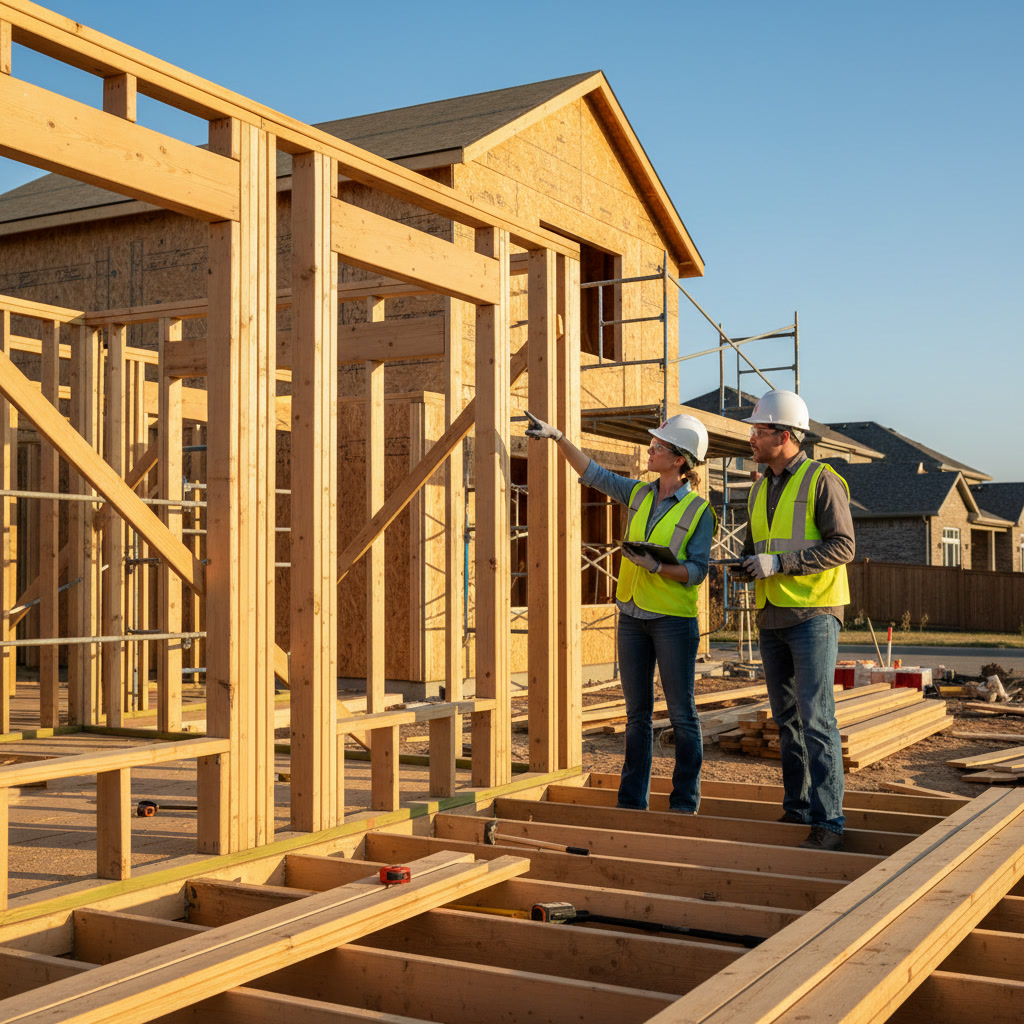
Foundation repairs, retaining walls over three feet tall, and deck construction also trigger permit requirements. If you’re planning a home addition, expect multiple inspections throughout the construction process. These projects change your home’s footprint and must comply with setback requirements, height restrictions, and current building codes.
Electrical Repairs That Need Government Oversight
Replacing a light fixture or outlet cover does not require a permit. Installing new circuits, upgrading your electrical panel, or adding outlets in previously unwired areas does. The distinction comes down to whether you’re modifying the existing electrical system or simply swapping components.
Running new wiring through walls, adding subpanels, installing ceiling fans that require new electrical boxes, and any work involving the main service entrance all need permits. Many homeowners attempt DIY electrical projects to save money, but faulty wiring causes thousands of house fires annually. Professional home repairs ensure code compliance and protect your family from electrical hazards.
Plumbing Modifications Subject to Inspection Rules
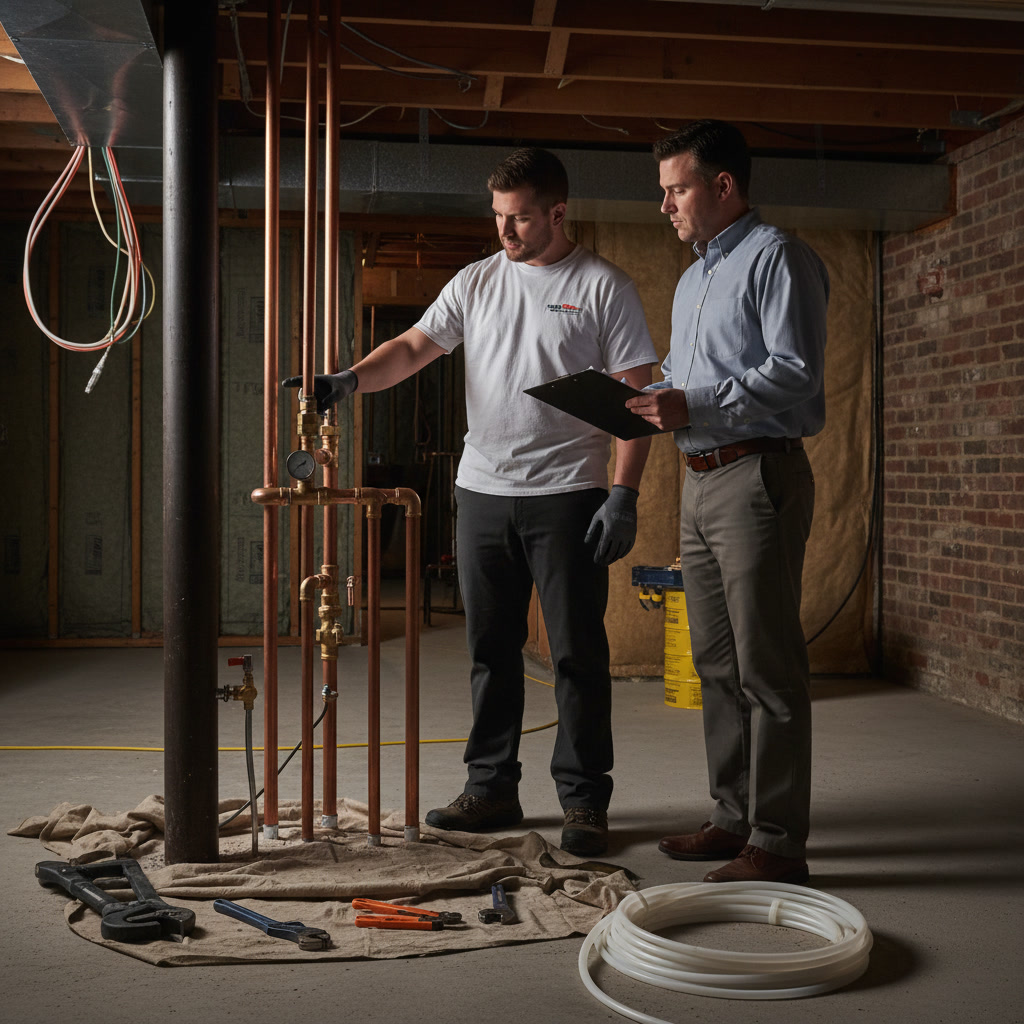
Changing out a faucet or showerhead falls under simple maintenance. Rerouting water supply lines, adding bathroom fixtures, or modifying drain systems requires permits. Any plumbing work that involves cutting into walls or floors to access pipes typically needs approval.
Water heater replacements occupy a gray area depending on your location. Some jurisdictions require permits for direct replacements, while others only mandate them when upgrading capacity or changing fuel types. Gas line work always requires permits due to explosion and carbon monoxide risks. Even small gas leaks can have catastrophic consequences.
HVAC System Changes That Trigger Requirements
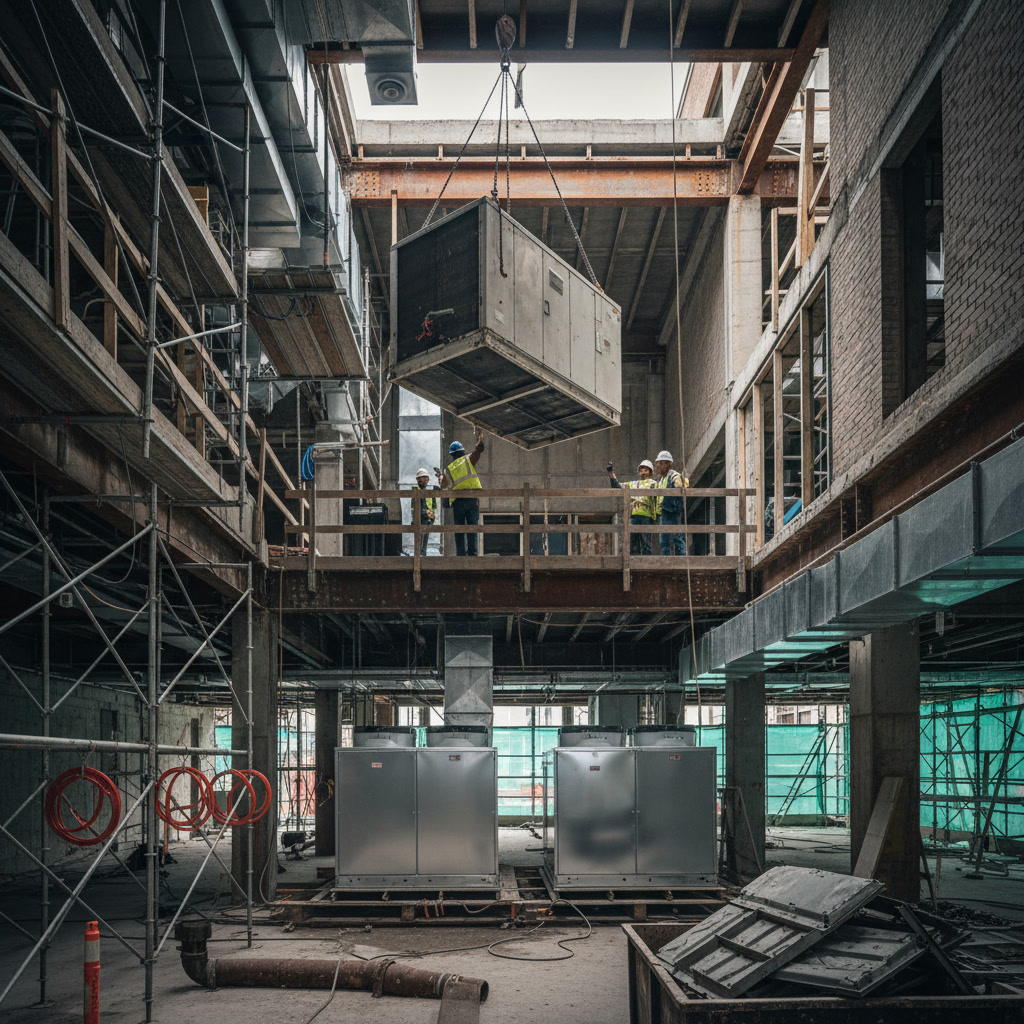
Replacing an existing HVAC unit with a similar model usually requires a permit, though enforcement varies. Adding ductwork, modifying existing ducts, or installing new heating and cooling systems definitely need approval. The permit process ensures proper sizing, adequate ventilation, and safe combustion venting for gas furnaces.
Evaporative coolers, popular in Arizona’s dry climate, need permits when installed for the first time. Even portable units that attach to windows may require approval if they involve cutting openings or running new electrical service. Phoenix Primera Builders LLC always pulls proper permits for HVAC work to ensure systems operate safely and efficiently.
Roofing Repairs Where Permits Apply
Minor roof repairs affecting less than 10% of the roof area typically do not need permits. Complete roof replacements almost always do. When reroofing includes structural repairs, adding insulation, or modifying ventilation, permits become mandatory. The inspection process verifies proper installation techniques that prevent wind uplift and water intrusion.
Some municipalities distinguish between reroof-overs (installing new shingles over existing layers) and tear-offs. Building codes limit how many shingle layers your roof can carry, usually two or three maximum. Inspectors check this during permitted work. If you’re considering substantial improvements beyond basic maintenance, reviewing the signs your home needs major repairs can help you plan appropriately.
Simple Fixes You Can Complete Without Permits
Cosmetic updates rarely require government approval. Painting interior and exterior surfaces, replacing flooring, installing new cabinets that don’t affect plumbing or electrical, and hanging drywall all fall into the no-permit category. You can replace doors and windows with same-size units without triggering inspections in most areas.
Minor repairs like patching drywall, fixing minor leaks with accessible connections, replacing damaged trim, and basic weatherproofing stay off the radar. Landscaping, fencing under six feet, and small garden structures typically avoid permit requirements. However, some homeowners associations impose their own approval processes separate from municipal permits.
The general rule: if the work is easily reversible, doesn’t involve concealed systems, and doesn’t alter your home’s structure or safety systems, you probably don’t need a permit. When in doubt, a quick call to your local building department provides clarity.
How the Permit and Inspection Process Actually Works
Obtaining a permit starts with submitting plans to your local building department. Simple projects may only require a basic sketch, while complex work needs detailed architectural drawings. The department reviews submissions for code compliance before issuing permits, a process taking anywhere from a few days to several weeks.
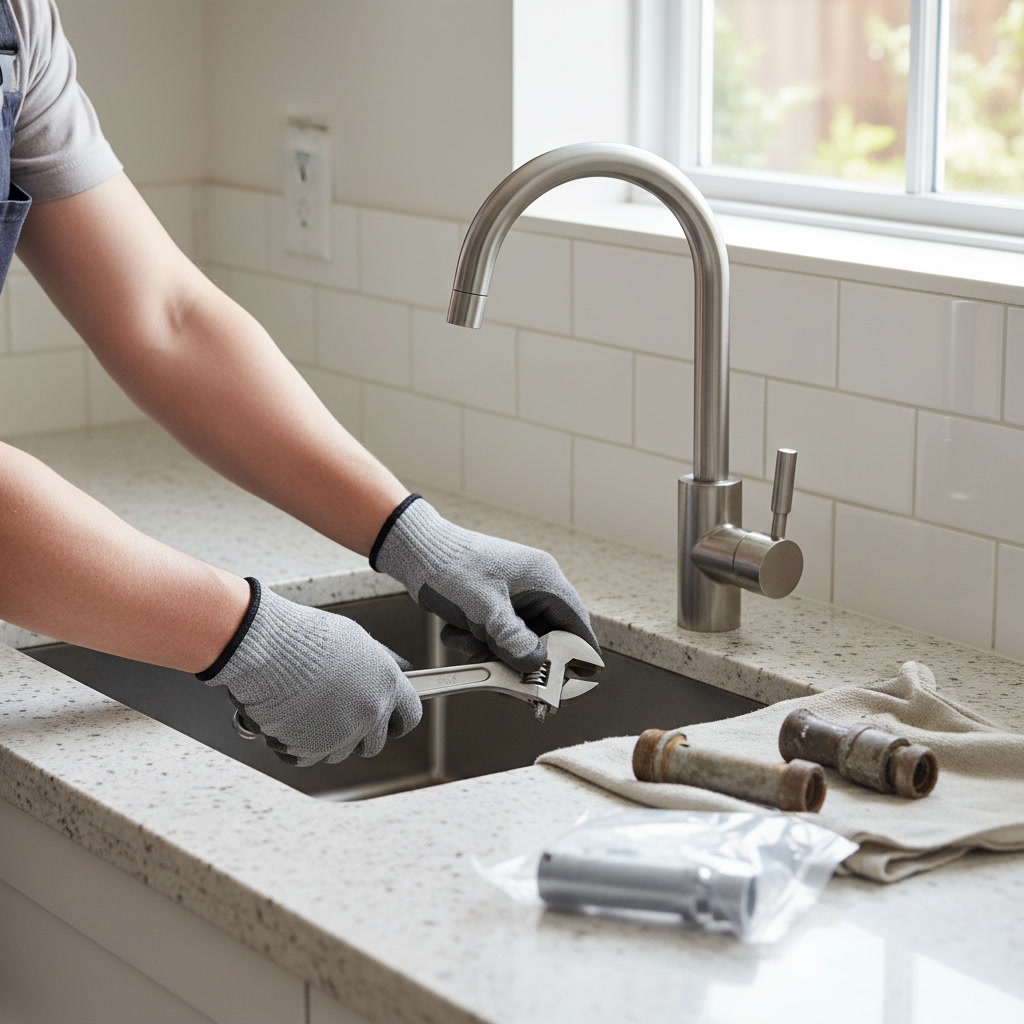
Once approved, you schedule inspections at specific project milestones. Rough inspections happen before walls close up, allowing inspectors to verify framing, electrical, and plumbing. Final inspections confirm completed work meets approved plans. Failed inspections require corrections before you can proceed. Most projects need two to four inspections depending on scope.
Permit fees vary by project value and type. A simple electrical permit might cost $50, while a major home remodeling project could run several hundred dollars. These fees seem expensive until you compare them to the thousands in fines and remediation costs from unpermitted work.
When to Hire Licensed Contractors Versus DIY Approaches
Arizona allows homeowners to pull permits for work on their primary residences, but this doesn’t always make financial sense. Licensed contractors understand code requirements, have established relationships with inspectors, and carry insurance protecting you from liability. Their expertise typically results in faster approvals and fewer failed inspections.
For simple cosmetic work, DIY approaches save money without significant risk. Structural, electrical, plumbing, and HVAC projects benefit from professional expertise. A licensed contractor’s work comes with warranties and accountability. If problems arise years later, you have recourse through licensing boards and courts.
Many homeowners underestimate project complexity. What starts as a simple bathroom update often reveals hidden problems requiring expertise beyond typical DIY skills. Professional contractors identify these issues early, preventing costly mistakes. Understanding how to choose the right contractor ensures your project stays on track and fully permitted.
Protecting Your Investment Through Proper Permitting
Obtaining required permits protects your home’s value and keeps your family safe. While the process adds time and expense upfront, it prevents far larger problems down the road. Code compliance ensures repairs will last and function properly for years.
Working with experienced professionals who understand local requirements removes guesswork from the permitting process. They handle paperwork, schedule inspections, and ensure work meets all applicable codes. This expertise proves especially valuable for complex projects involving multiple trades and inspection points.
Whether you need minor fixes or major renovations, understanding permit requirements helps you plan appropriately and avoid legal complications. Taking shortcuts might seem tempting, but the risks far outweigh any perceived savings. Proper permitting demonstrates you’ve invested in quality work that future buyers will appreciate.
Phoenix Primera Builders LLC brings over 20 years of experience navigating permit requirements across the greater Phoenix area. Our team handles every aspect of the permitting process, ensuring your project complies with all local codes and regulations. From structural repairs to complete renovations, we deliver quality craftsmanship backed by proper permits and inspections. Contact us at +14806211744 to discuss your project and learn how we can help you complete your repairs the right way.